EU publishes explainer on main differences between EES and ETIAS: what travellers need to know

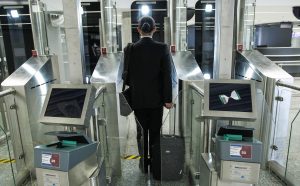
This year, the European Union is changing its border management, introducing two new systems: the Entry/Exit System (EES) and the European Travel Information and Authorisation System (ETIAS).
The EES is fully operational across all Schengen countries from 10 April 2026. ETIAS is scheduled to start in the last quarter of 2026. The exact start date of ETIAS will be officially communicated later this year.
Both systems modernise and digitalise EU border checks, but they affect travellers coming from outside the EU in different ways.
To help travellers outside the EU to understand how EES and ETIAS differ and what travellers need to do before and during their trip, the European Commission Directorate-General for Migration and Home Affairs has published a special article containing detailed information and examples.
The EES changes the border procedures for all non-EU nationals travelling for a short stay (up to 90 days within any 180-day period) to the 29 European countries that make up the Schengen area: at the external borders non-EU nationals will now have to register their biometric data.
ETIAS will change the way visa-free nationals travel to the Schengen area and Cyprus – a total of 30 European countries – for a short stay. Before they begin their journey, travellers will have to apply for an ETIAS travel authorisation online, either through the official ETIAS website or the ETIAS mobile application. This helps avoid fraudulent third-party sites that may charge extra fees or misuse personal data.
Find out more
Explainer: Main differences between the EES and ETIAS
The post EU publishes explainer on main differences between EES and ETIAS: what travellers need to know appeared first on EU NEIGHBOURS east.