Studying abroad: awareness vs. fantasy

The Netherlands, Germany, France, Romania, Hungary, Austria, Spain…
You might think I’m simply listing European Union countries. What I’m actually listing are destinations where Moldovan students choose to pursue their studies. If we placed a pin on the map for every city where Moldovan students are studying today, Europe would be covered in colour. Although every year the number of students who decide to stay and study in Moldova grows, in many high school classes in the capital, more than half the students are not even considering the option of studying at home. They are ready to sacrifice their social circles, the comfort of family, and the emotional security of home to explore life abroad.
Their reasons are valid and understandable: broader academic opportunities, access to international networks, exposure to diverse cultures, personal growth, independence, stepping out of their comfort zone and the promise of a brighter future.
I was one of those students.
For three years of high school, I dreamed about studying abroad. I wore rose-tinted glasses filled with expectations and idealised images of international student life. But those glasses cracked the moment I arrived in a small town in Germany for my studies. Reality did not match my expectations. I found myself overwhelmed by a reality I hadn’t even thought about. Eventually, I made the difficult decision to return home and pursue my bachelor’s degree in Moldova.
That experience taught me something essential: the fairy-tale version of university life we often tell teenagers should remain at the border. My journey would have looked completely different if someone had offered me an honest, unfiltered perspective: both the beautiful and the difficult sides of studying abroad. I would have left better prepared, grounded, and emotionally equipped.
Out of this desire to offer young people clarity instead of illusion, the podcast ‘Universitatea #diez’ was born. It aims to equip students with truth and realistic expectations before they take the leap into the “big world”. It helps them to weigh their options carefully – whether to leave or to stay, and make a conscious, informed decision.
Three years and 22 episodes later, the podcast has become a safe space for honest conversations. We discuss everything that students rarely see on university brochures: searching for accommodation, navigating course structures, managing workload, independent study expectations, part-time jobs, homesickness, food culture, budgeting, social integration, and the simple but sometimes challenging milestones of adulthood, like learning how to cook or use a washing machine for the first time.
We speak openly about both the opportunities and the struggles. Because both exist.
Among our guests was our dear Teodora Drucec, Young European Ambassadors’ Coordinator for Moldova, who shared her experience of studying in The Hague, the Netherlands.
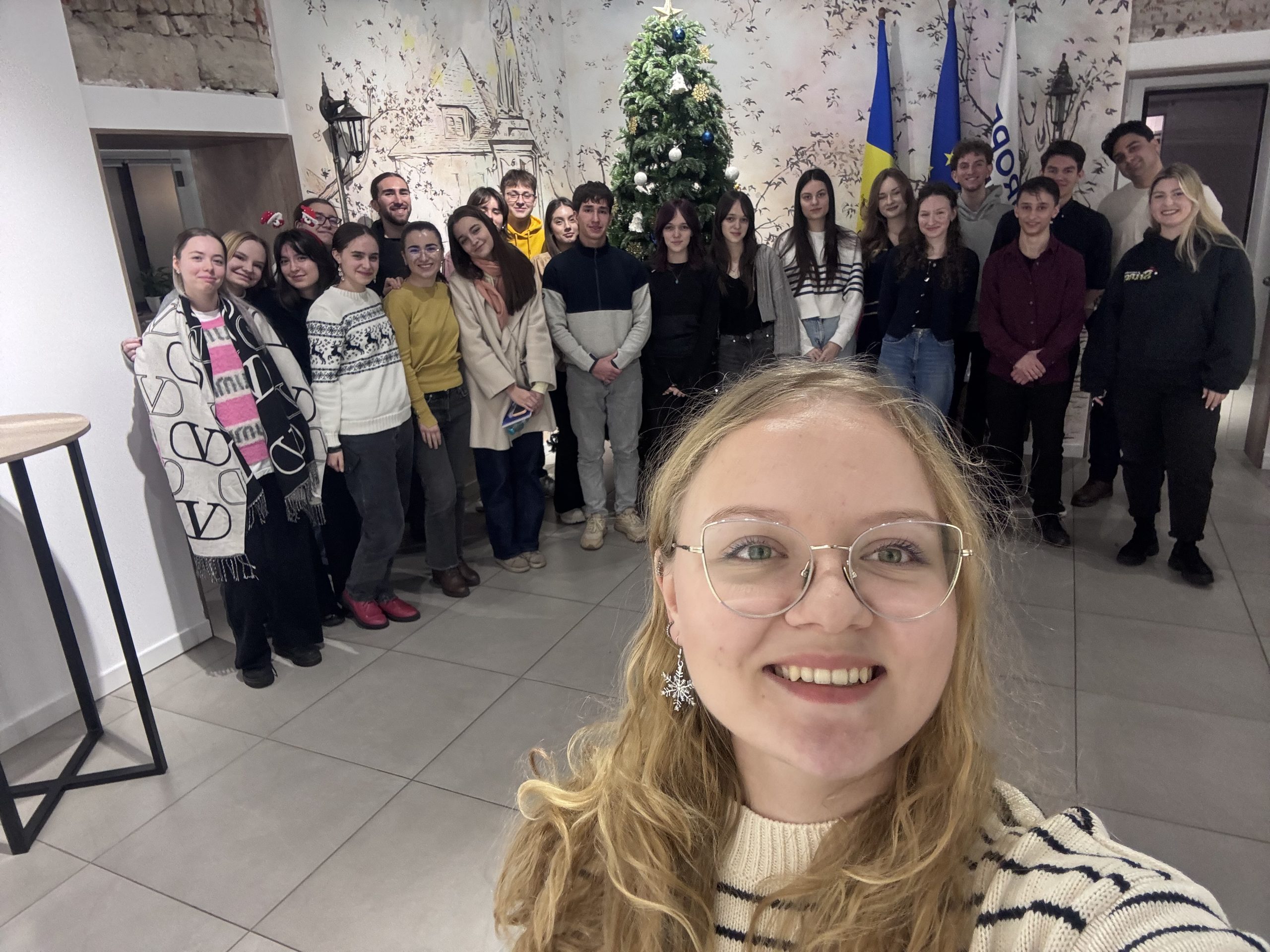
From this same desire to create honest dialogue, we also launched several editions of the event series “Studies in the EU”, organised in the framework of the Young European Ambassadors initiative. During these meetings, we invite YEAs who are currently studying abroad, in Germany, France, Austria, Hungary and beyond, to share their experiences without filters. They answer questions, speak about cultural adjustment, financial realities, academic pressure, and opportunities that other countries offer to them.
As a Young European Ambassador, I believe in peer learning and sharing. We are responsible to promote quality education and to help our peers make the right decision for them. To help them set real expectations. To be authentic and supportive.
Whether students choose Moldova or another European country, the decision should be rooted in awareness, not fantasy.
The post Studying abroad: awareness vs. fantasy appeared first on EU NEIGHBOURS east.


