What Does It Take for Armenian Products to Reach the EU Wholesale Market?

“Some of the oldest known examples of dried fruit have been found here.”
That is how Arkadi Khachikyan begins the story of Yervandashat, the last capital of the Kingdom of the Orontids (also known as Yervanduni).
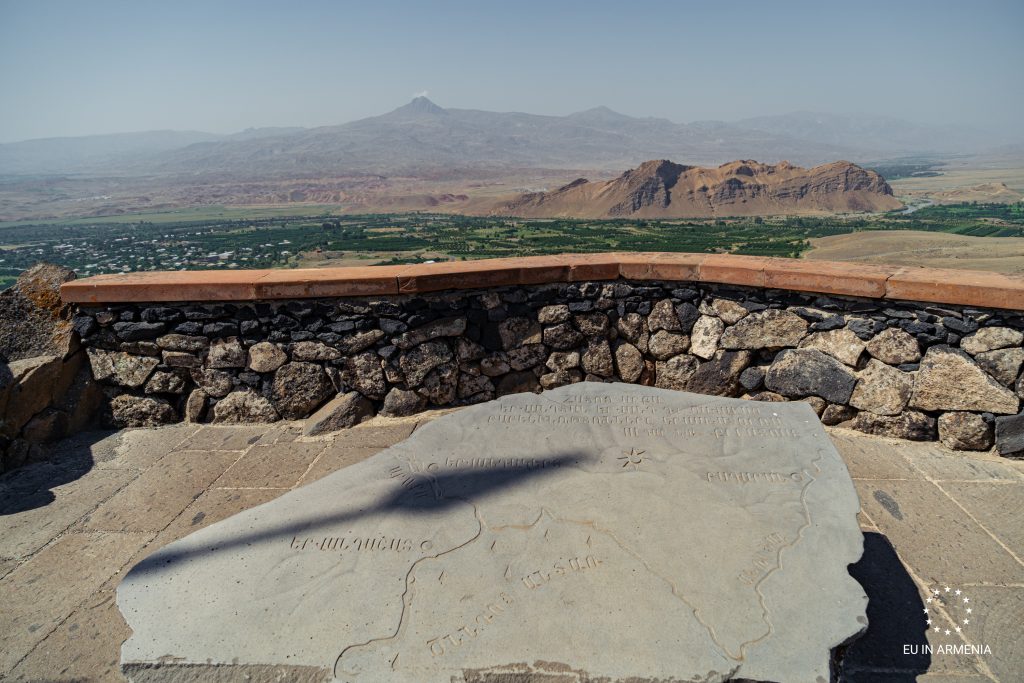
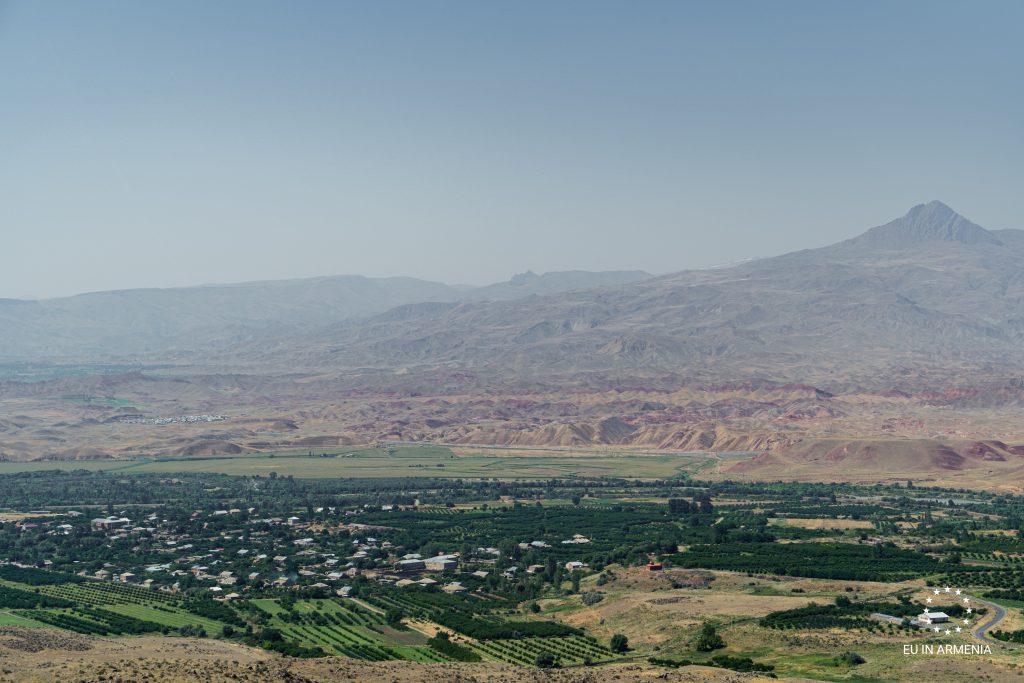
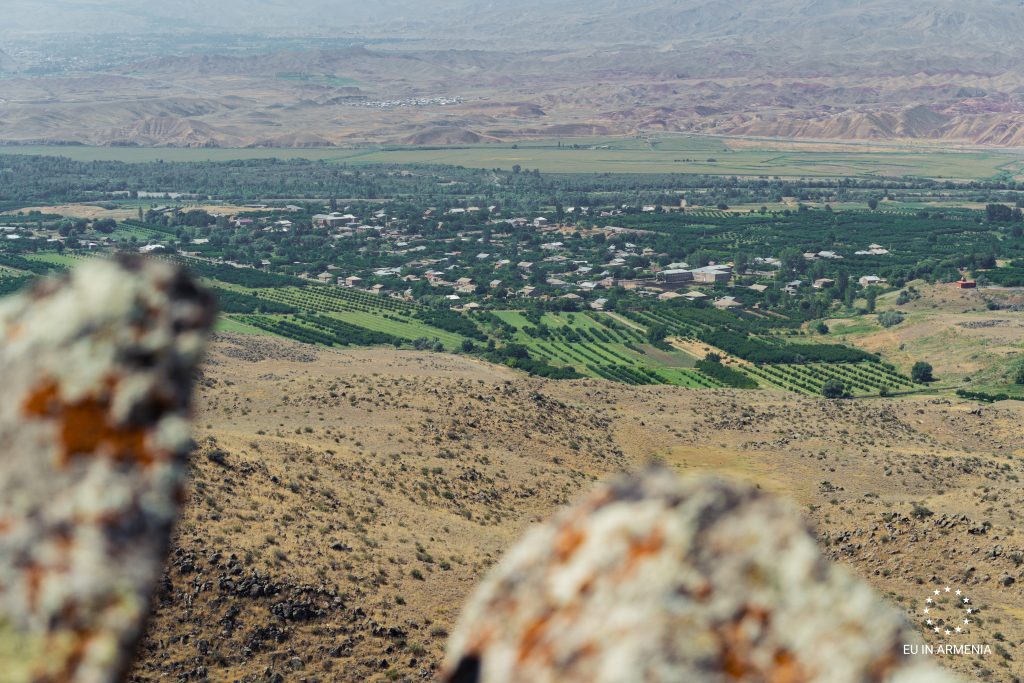
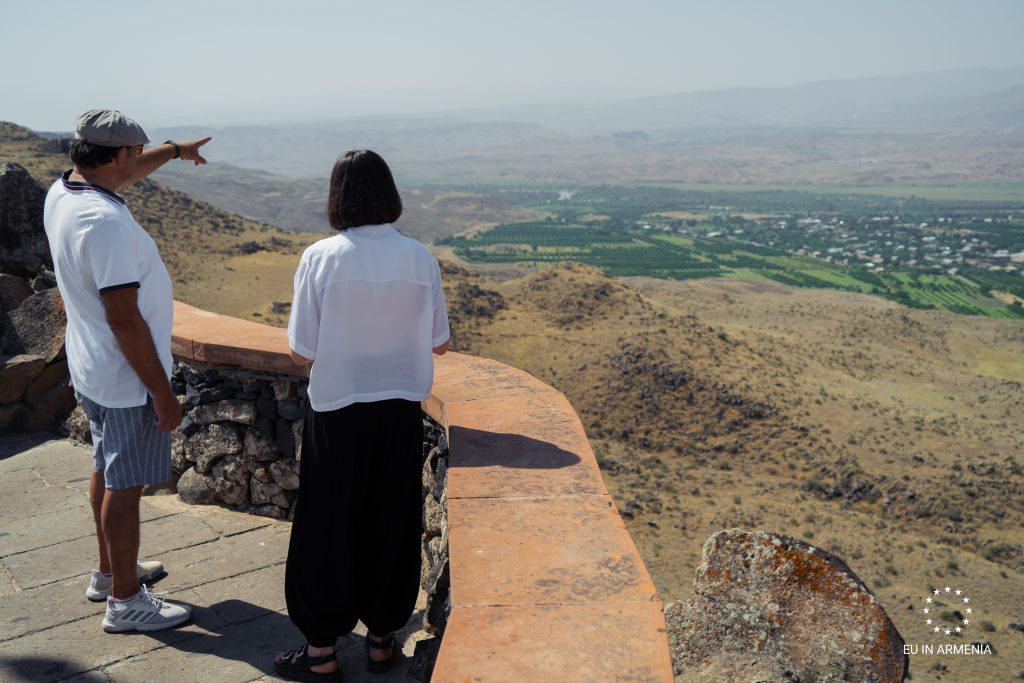
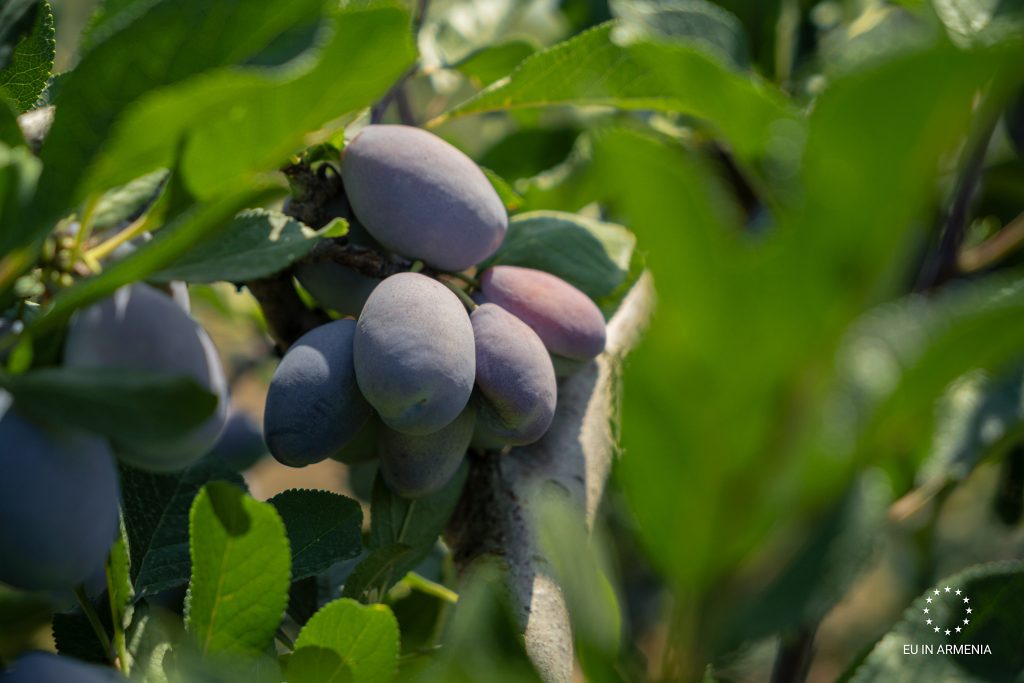
Set among reddish cliffs along the banks of the Araks River, Yervandashat is a village in Armenia’s Armavir region, known for its lush orchards and sweet, sun-ripened fruit.
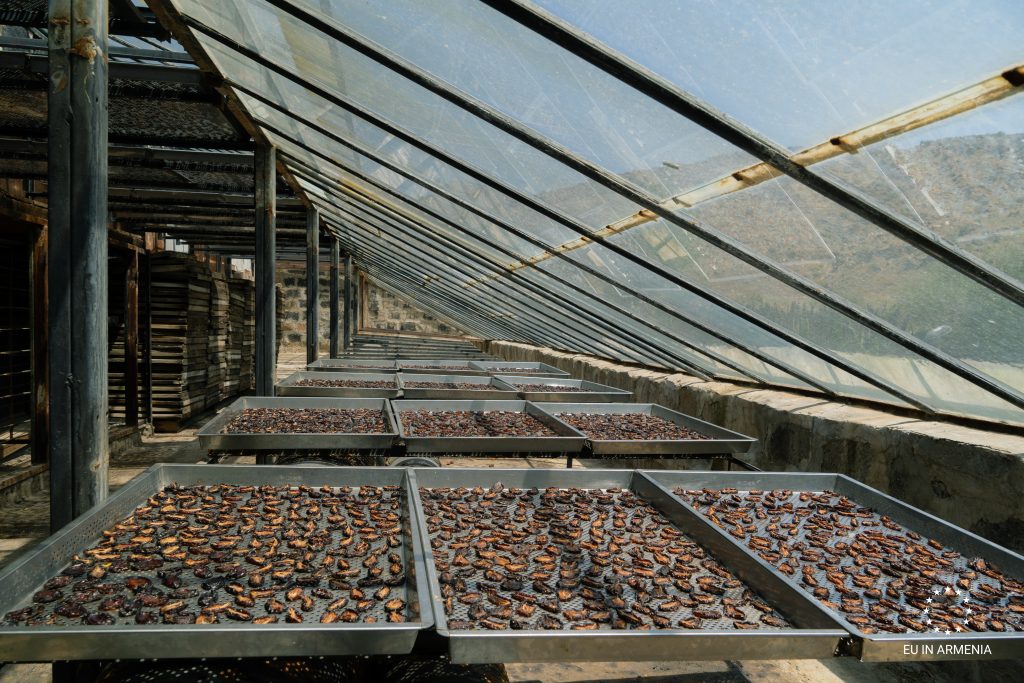
The residents make their living mainly from fruit growing and dried-fruit production. Every year, Yervandashat produces around 1000 tonnes of fresh fruit, including apricots, plums and peaches.
“It takes years for a sapling to bear fruit—sometimes, a lifetime,” says Khachikyan.
Years of work have gone into the orchards, where each variety has its own purpose. Some are grown for drying, while others are sold fresh.
Khachikyan is the director of Satenie, a company that started out producing on a small scale. Over the years, it has supplied supermarket chains, processing plants, confectioneries and shops. For several years now, the company has been working to increase both its production volumes and product range, while looking for new customers abroad.
Support from the European Union across multiple years has played an important role in that process.
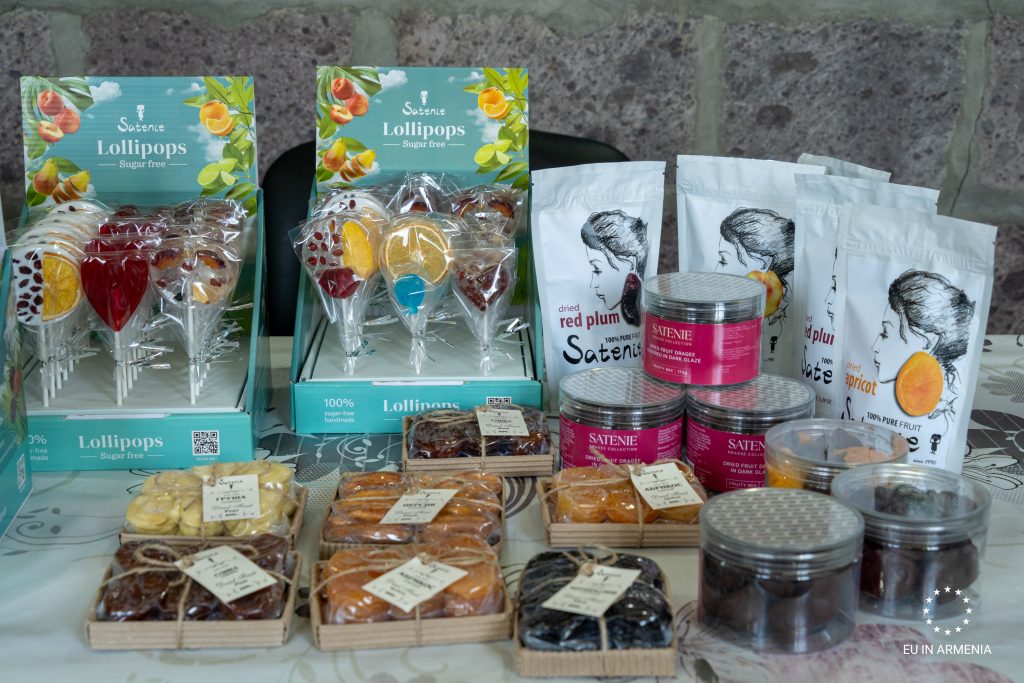
“About five years ago, we took part in the Ready to Trade programme. It helped us develop new branding and packaging for our products. Alongside product quality, these are also important factors when it comes to establishing new partnerships,” Khachikyan says.
The programme also gave Satenie the opportunity to travel to the Republic of South Africa and learn about technologies used by local dried-fruit producers. The company later adapted some of the approaches it found most suitable to its production in Armenia.
The programme was implemented by the International Trade Centre with EU support under the EU4Business initiative from 2017 to 2021.
New partnerships and international exposure have also been important for Satenie’s growth. In 2024, with EU support, the company participated in SIAL Paris, one of the world’s largest food industry trade fairs, and made valuable connections. It is set to return in autumn 2026.
“One of our most successful experiences at the exhibition was meeting Coop Trading, the largest private brand purchasing organization in the Nordics. They liked the quality of our products and were interested in working with us, but the volumes they required at that stage were beyond our production capacity. Perhaps in a few years, we will be able to meet the market’s requirements in terms of volume as well and export to them,” Khachikyan recalls.
With EU support, one of Satenie’s employees will travel to the Netherlands and Belgium this autumn, where European partners will help the company meet potential wholesale buyers face to face.
The company plans to take samples of a wider range of products, not only dried fruit.
“Looking at everyday habits and market trends in Europe, we believe that our energy balls, in particular, could appeal to younger consumers. They are a convenient alternative to sweets for people who prefer a healthier lifestyle․”
For Satenie, EU support has not been a one-off intervention, but part of a longer process of building and developing the business step by step.
Exporting to the EU is an ambition shared by many Armenian businesses. But reaching the European market takes more than simply finding a buyer. Companies need to understand the market’s requirements, develop a strategy for entering it and assess their own capacity to meet those demands.
International exhibitions and business visits can provide an important opportunity to do exactly that.
“Our products are, of course, very tasty, but our main advantage is their high quality. We do not compete with the major players on price. We offer a different level of quality and want to work with companies that value it․”
Satenie has already gained export experience in Poland and the United States. But for Khachikyan, reaching new markets is only one part of a broader strategy.
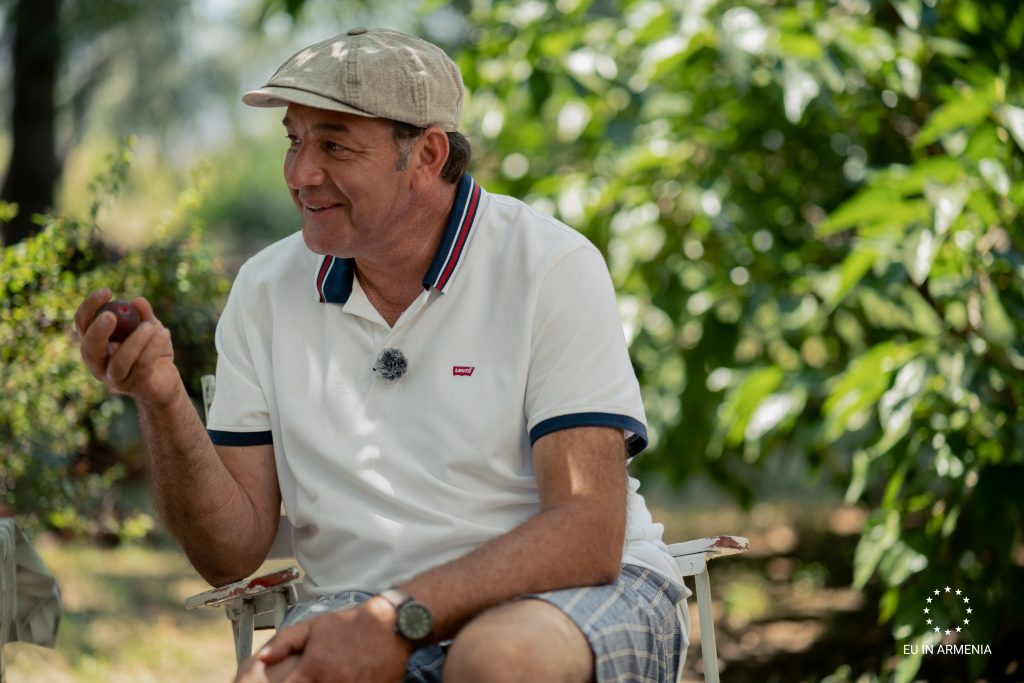
None of this happens overnight, and Khachikyan doesn’t pretend otherwise. Looking ahead, he sees strength in numbers. Working with international partners, he wants to bring dried-fruit producers together into a shared association, so that instead of each company navigating wholesale markets alone, they can pool their efforts and move faster together, and ultimately sell more of their products to more customers.
“Our work continues. And if we are not exporting at this exact moment, that does not mean we should stop. Experience shows that it takes many attempts to achieve success․ We need to find new partners, and once we find them, build strong relationships and connections. We have reached the point where our products are high quality, properly packaged and have shelf lives that meet market requirements. We did not achieve all of this overnight. It is the result of consistent support and our own continued efforts.”
Agriculture is a sector that demands patience, hard work and dedication. For Khachikyan, however, the effort is worth it.
He believes that with continued work and targeted support, the rich, sweet taste of Yervandashat will eventually find its place in European market.


