Finding my voice by listening to others

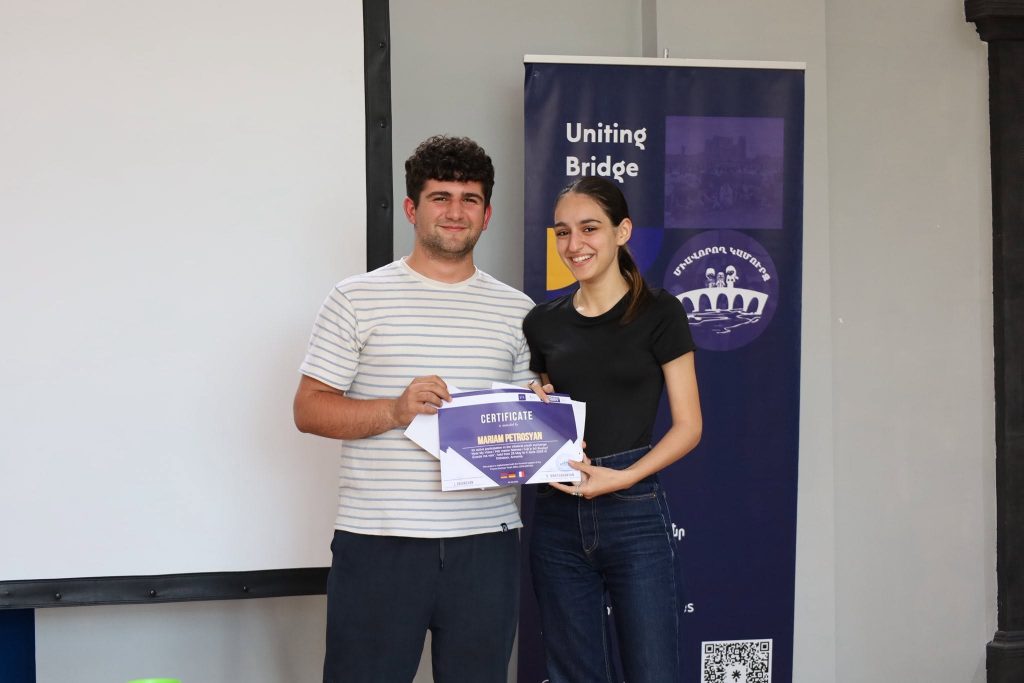
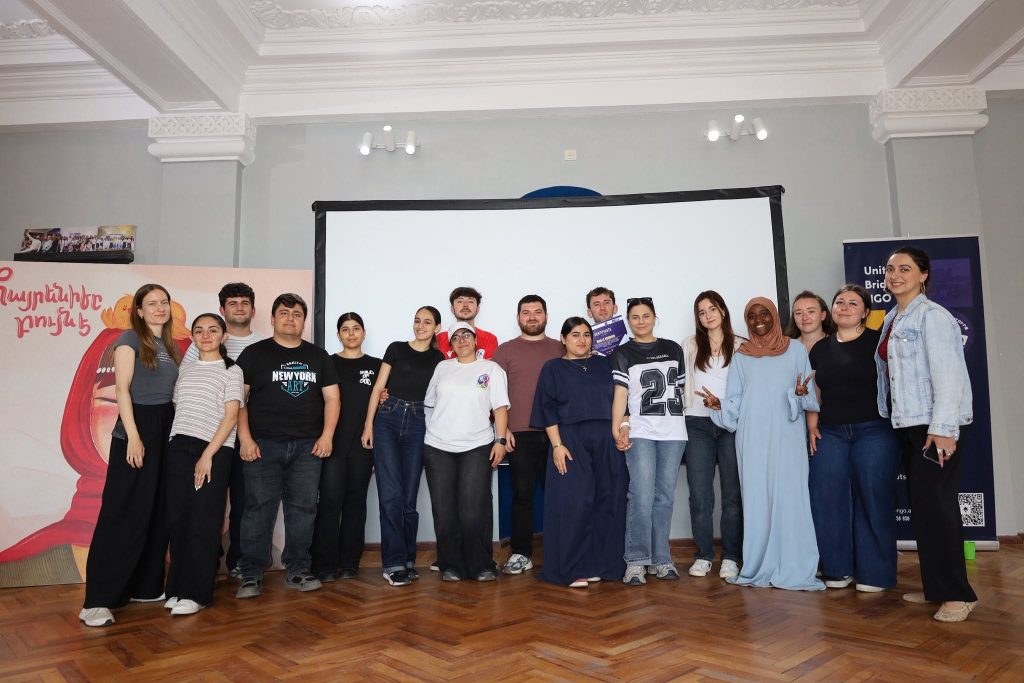
From 30 May to 3 June 2026, I had the chance to participate in the international youth exchange “Hear My Voice” in Oshakan, Armenia. This exchange was organised within the framework of OFAJ/DFJW (the Franco-German Youth Office), bringing a special focus on dialogue between young people from Armenia, France, and Germany. The project brought together 15 young people from rural and refugee communities. We shared some of our personal stories and experiences, which made the project’s topics feel much deeper and more real.
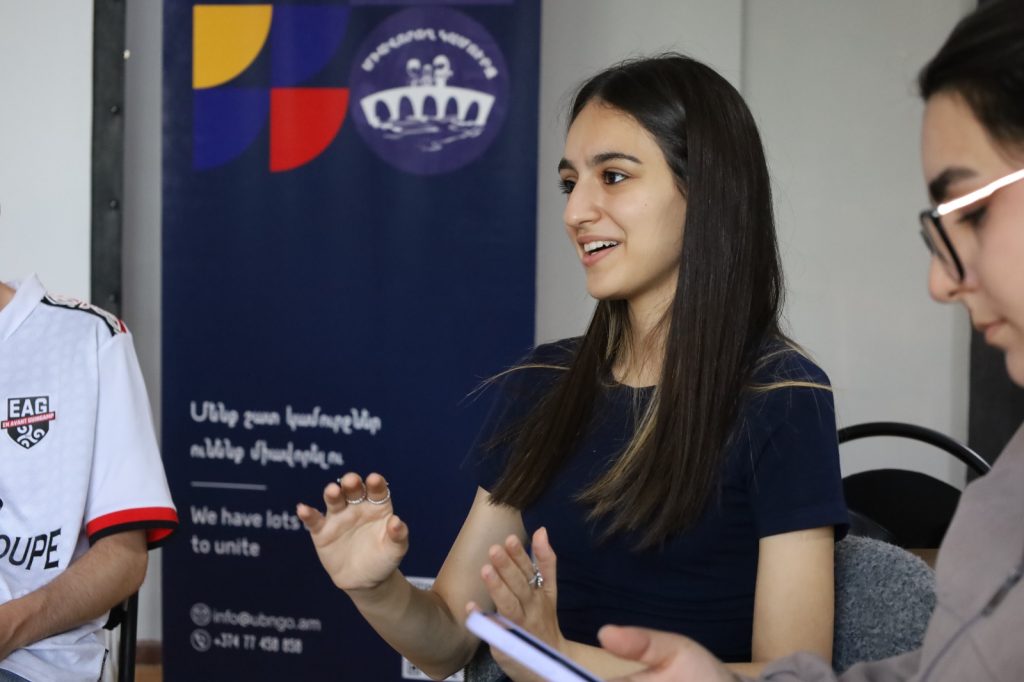
As a Young European Ambassador, this topic felt especially close to me. During the sessions, my role as a YEA helped me speak about youth participation and the problems faced on different levels by young people in Armenia: in local communities, in rural areas, and among young people who often do not feel included in decision-making processes. I was able to share examples from my own experience of working with youth and promoting dialogue, active citizenship, and inclusion. Later, during the podcast filming on youth participation, I had the opportunity to be one of the speakers and reflect more openly on my role as a YEA. I spoke about why it is important for young people to have safe spaces where they can express themselves, exchange ideas, and feel that their voices matter. One activity that stood out to me was the “Life Road Drawing”, where we illustrated our past, present, and future. I shared mine with a member of the French team and realised that, despite our different backgrounds, we had similar uncertainties about the future. This showed me that young people often share the same questions and concerns, regardless of where they come from.
From the Armenian team, there were displaced young people from Nagorno-Karabakh. One of the participants was from Oshakan. She was very shy at first, but it was beautiful to see how the project slowly created space for her to feel included. Despite her difficult personal experience, she found the strength to come, participate, and be part of the group. For me, this showed that youth projects can help people feel seen, welcomed, and supported. Including her in the project was especially meaningful because it demonstrated how such initiatives can create opportunities for young people with different life experiences to connect, participate actively, and feel a sense of belonging. Another meaningful moment for me was interacting with some members of the German team who were originally Armenian and are migrants in Germany. It was very interesting to speak with them and hear how they connect with both Armenian and German realities. Their perspectives added another layer to the exchange. These stories reminded me that every young person carries something inside, and sometimes the most important thing we can do is simply create a safe space where those stories can be heard.
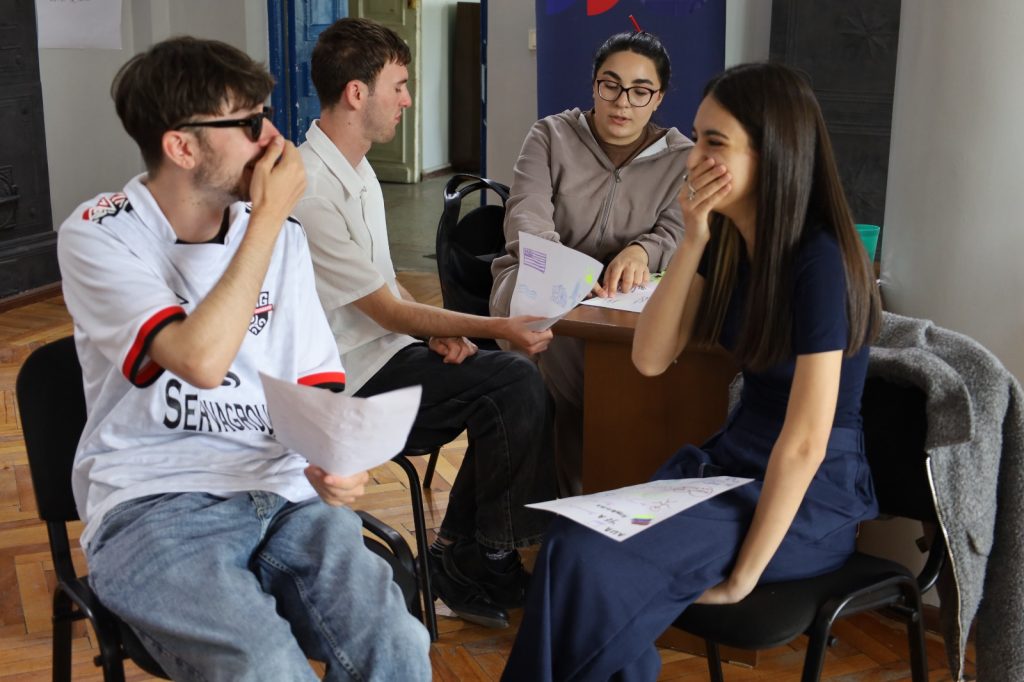
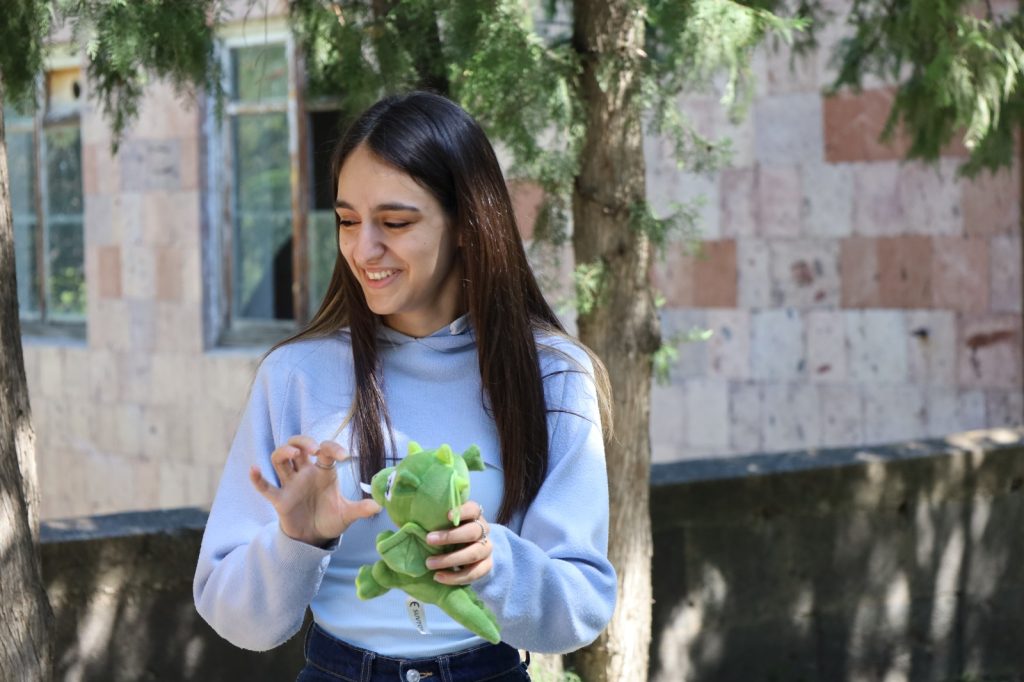
The Intercultural Night was one of the warmest moments of the programme, when all the participants presented their national traditions, food, music, and culture. Interestingly, all the participants from the French team were from Brittany, a region with its own cultural identity. But for me, the special discovery that evening was Iban from the French team, who became a very good friend. Before the exchange, he had spent two months doing European Solidarity Corps volunteering in Gyumri, Armenia, and it was clear how much he loved our country and culture. During Armenia’s presentation, Iban helped us teach Armenian dances to our international peers. The funniest part was that he was sometimes even better at it than we Armenians were! I felt really proud, because for me it was beautiful to see that someone could love Armenia so much after only two months of being here that he remembered our dances and wanted to share them with others. This was the moment when I saw the real result of intercultural exchange: when your culture is appreciated, remembered, and carried by someone else.
The programme also included adventurous moments. During one of the days, we visited Yerznka, where we were welcomed by the Aramazing Camp team, and I had the chance to try rock climbing for the first time. Later, we continued to Tsaghkevank with a large open-back vehicle (a Kamaz). I sat on top of it and enjoyed the landscape along the way. The route there was not that easy, and at some point we had to walk part of the way. But the final view made every step worth it. That day, Mount Ararat was visible so clearly that it felt almost unreal. These moments outside the training room gave us unforgettable memories and helped us connect even more as a group.
The activity that stayed with me the most was Forum Theatre. During Forum Theatre, we had to present societal issues through theatre. First, the scene was performed without any interruption, so the audience could watch the problem as it might happen in real life. Then, the same scene was performed again, but this time the audience could enter the scene and try to change the situation. Forum Theatre reminded me once again that participation can sometimes mean noticing that something is wrong and choosing not to stay silent.
For me, the ‘Hear My Voice’ project was more about hearing the voices of others than speaking up myself, because I felt that there were people in the group who needed this safe space even more.
Sometimes giving someone space, attention, and respect is already a powerful form of participation. During those days, I understood that every voice matters, but some voices need more care, trust, and safety before they can truly be heard.
The post Finding my voice by listening to others appeared first on EU NEIGHBOURS east.


