A lesson from a compost bin

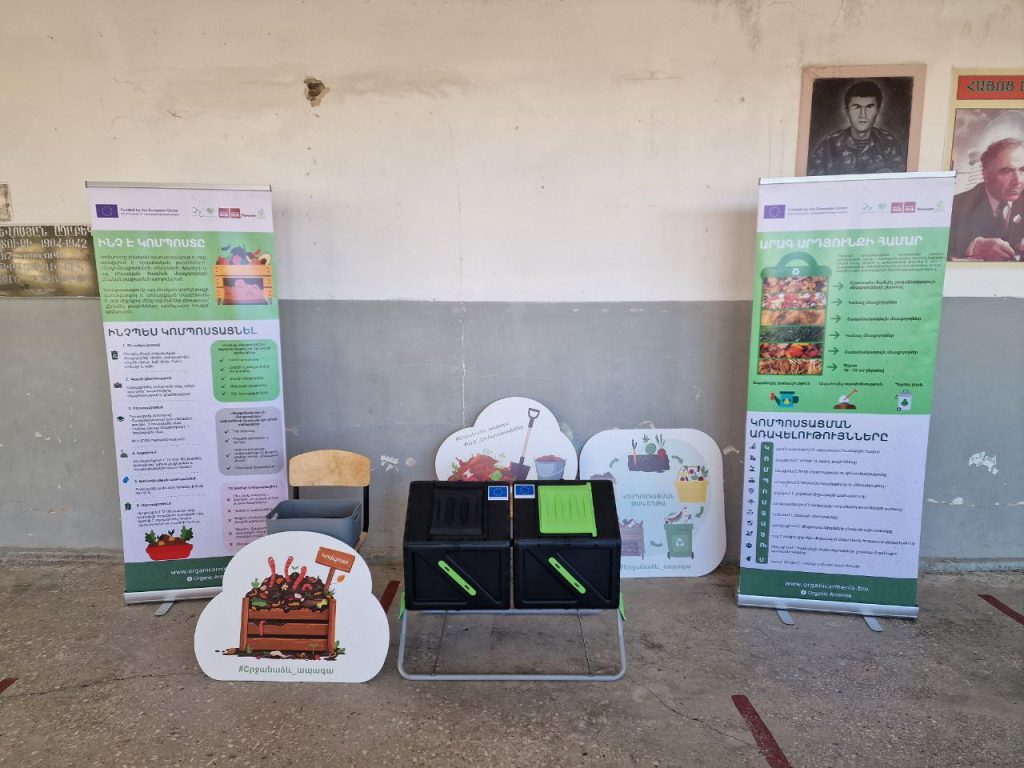
What goes into the compost tumbler looks like waste which would normally be thrown away: discarded mushroom substrate, straw, coffee grounds. The lid closes, the handle turns the tumbler, and over the following weeks the organic residues slowly transform into compost that can return to the soil.
At Yerevan’s School No. 116, students are making this transformation happen. Their school is one of 13 demonstration sites across Armenia where the Organic Armenia Agricultural Association NGO has installed compost bins. With EU support, the NGO brought together farmers, teachers and students to turn the principles of the circular economy into something they could see, handle and put into practice.
Nature lessons at the school are not confined to the classroom alone. Down in the basement, Biology teacher Lusine Gyurjinyan, together with her eighth-grade students, runs the MycoHub EduLab, a small mushroom-growing farm. But mushroom production also leaves behind organic material: discarded substrate, straw and coffee grounds. “We started asking ourselves how these organic residues could be turned into valuable resources instead of simply being thrown away,” the teacher says.
That question led her to Organic Armenia.
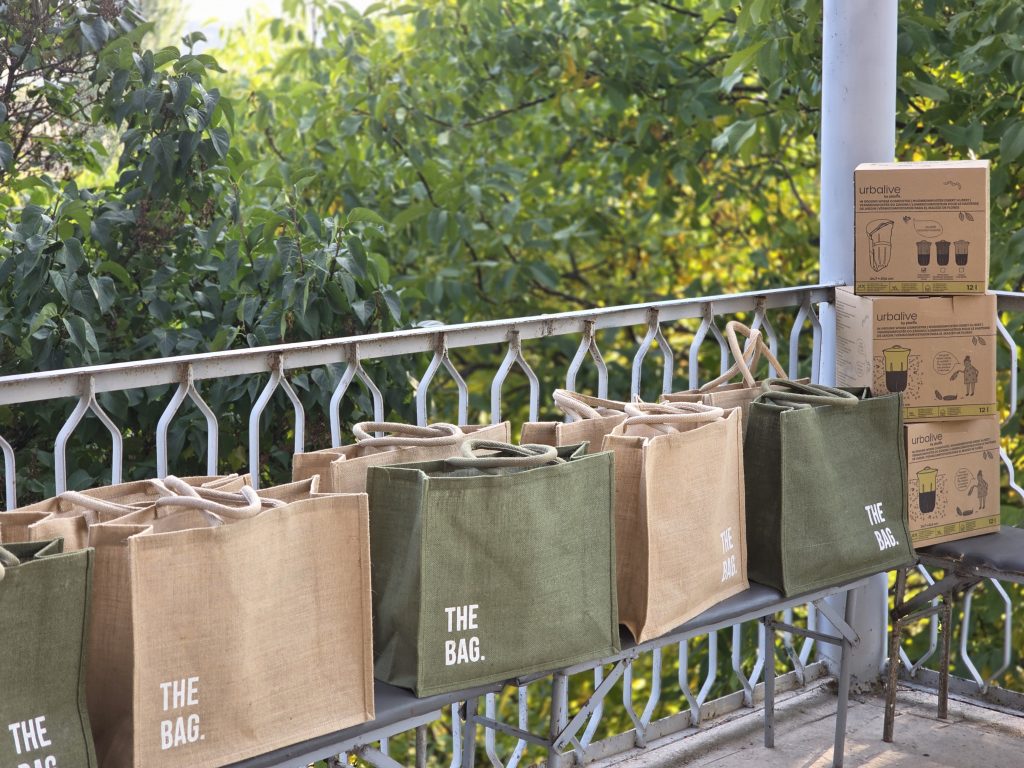
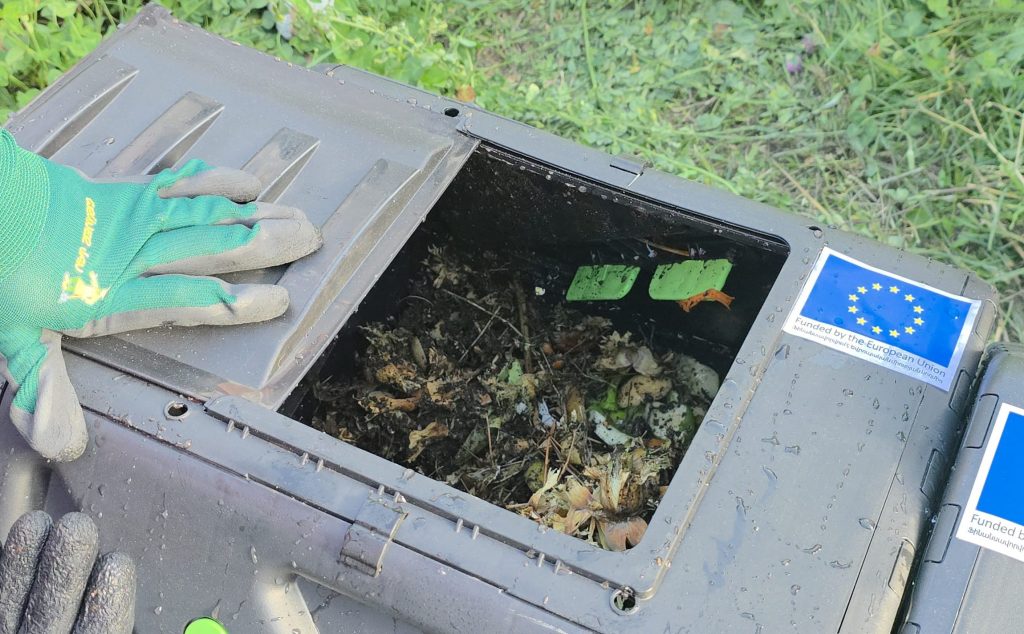
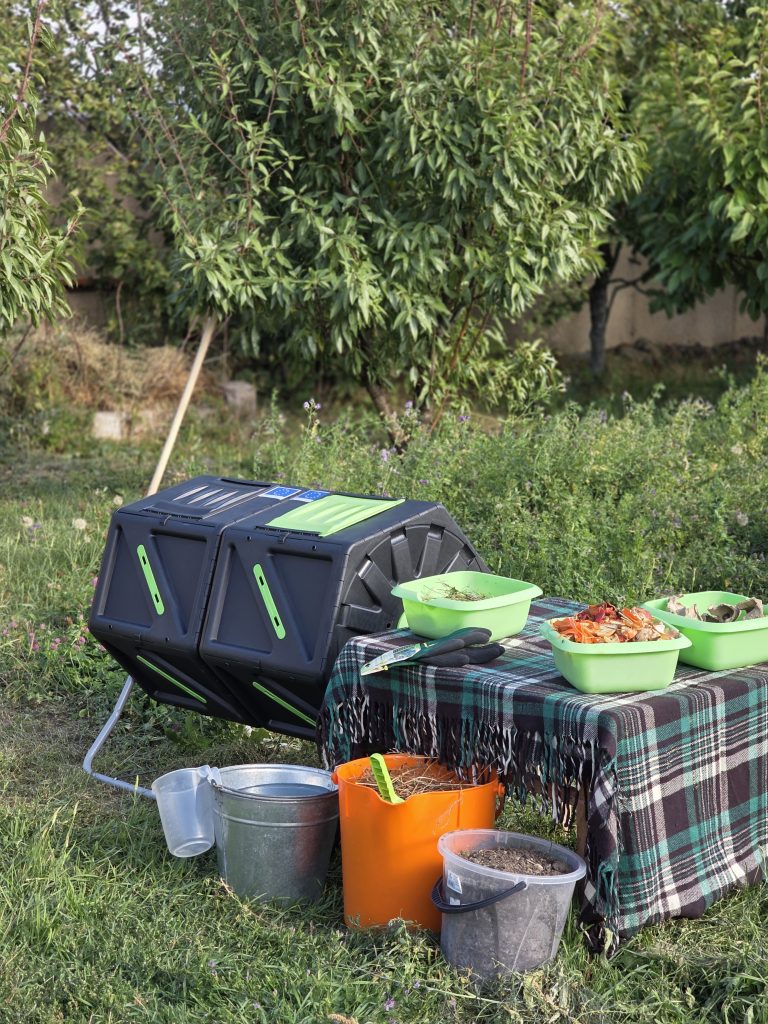
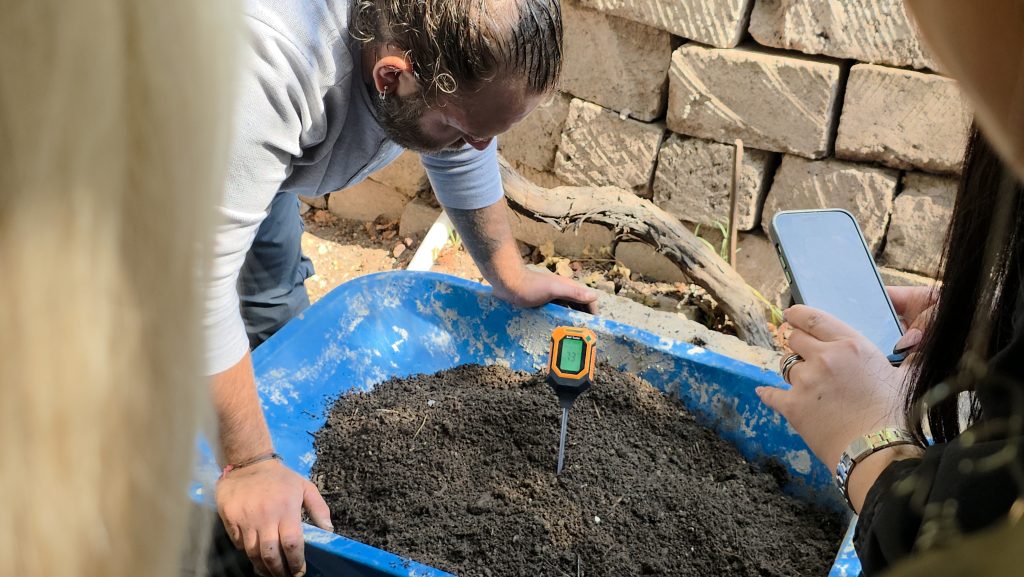
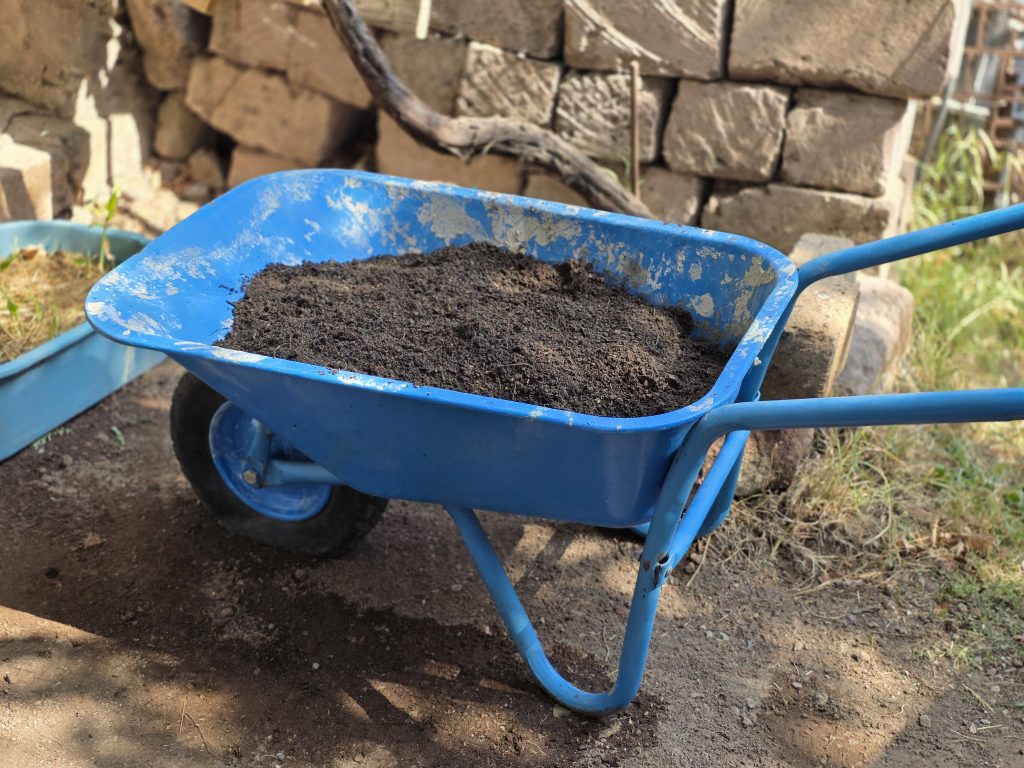
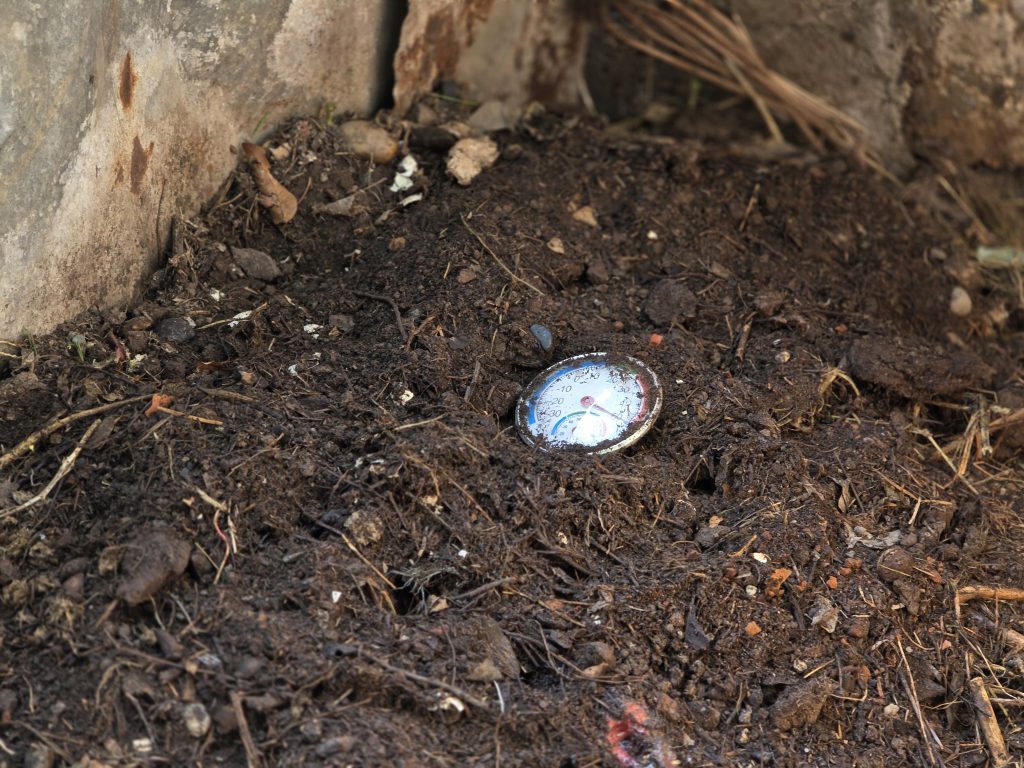
Founded in 2019, the NGO works to promote organic farming in Armenia. In 2025, with EU support through the Impact Hub Association, it launched a knowledge-sharing initiative to bridge organic agriculture and the practical use of organic waste. “It is important to increase awareness and understanding of circular economy principles and translate these concepts into practical approaches in the agricultural sector,” explains Lusine Nalbandyan, head of Organic Armenia. “And in the first place, we targeted teachers who become key multipliers of these ideas within educational environments.”
From training to the farm
Lusine Gyurjinyan was among the 90 teachers who took part in online sessions organised by Organic Armenia. The sessions covered organic agriculture, circular economy, zero waste, composting and vermicomposting, with practical insights into how organic residues can be sorted, managed, reused and returned to the production cycle. For Lusine, the sessions offered a different way of looking at what is usually discarded. “Waste is essentially the result of incorrect thinking,” says the teacher. “In nature, there is no final waste: one thing becomes the starting point for another.”
The same idea was explored from a farming perspective. During the practical training ‘Zero Waste: Sustainable and Organic Production’, Organic Armenia brought together producers, farmers and its own members to learn about different composting models, including through compost bins, what can and cannot be composted, the conditions needed for the process, and how the resulting compost can be used.
As a next step, the NGO took teachers and farmers to four organic farms, each showing a different way of putting circular principles into practice.
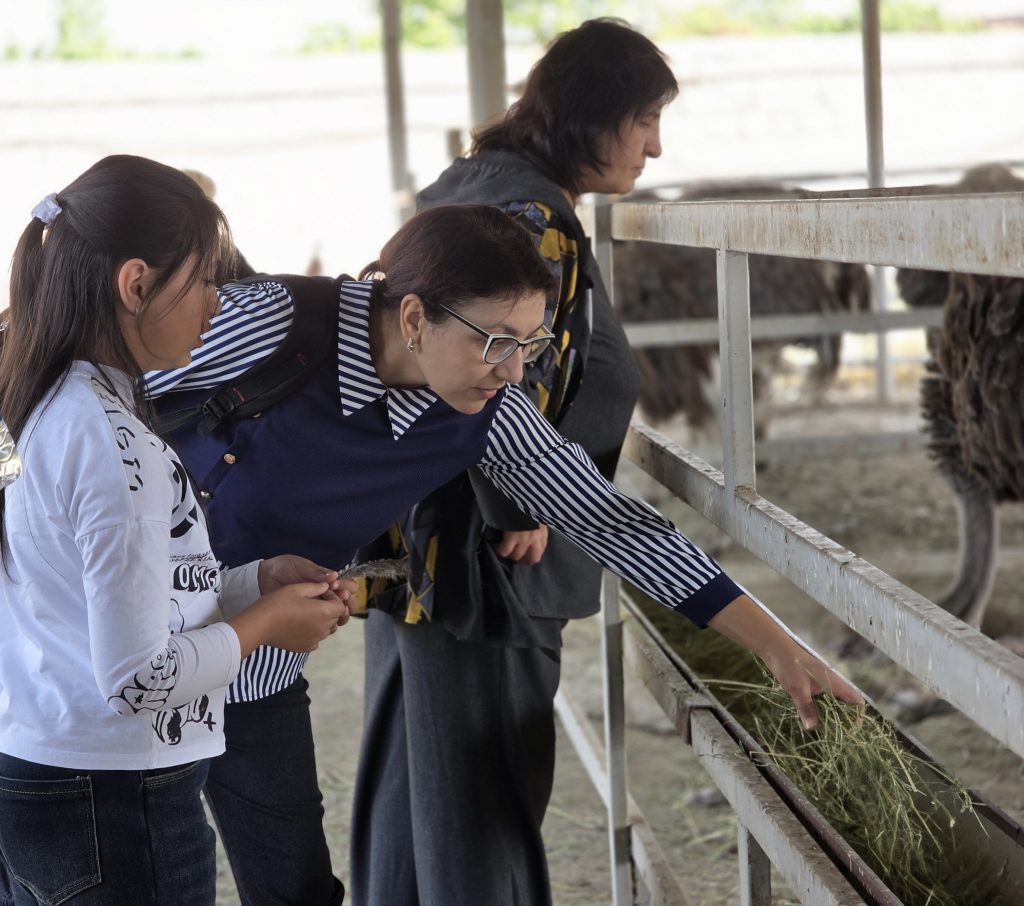
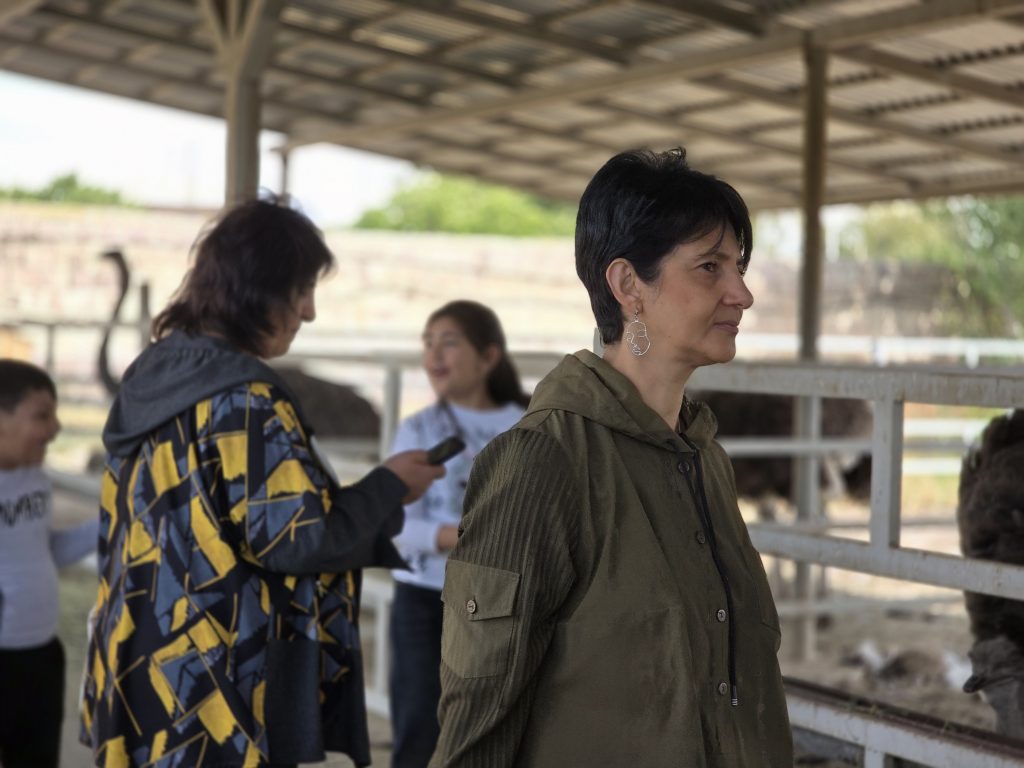
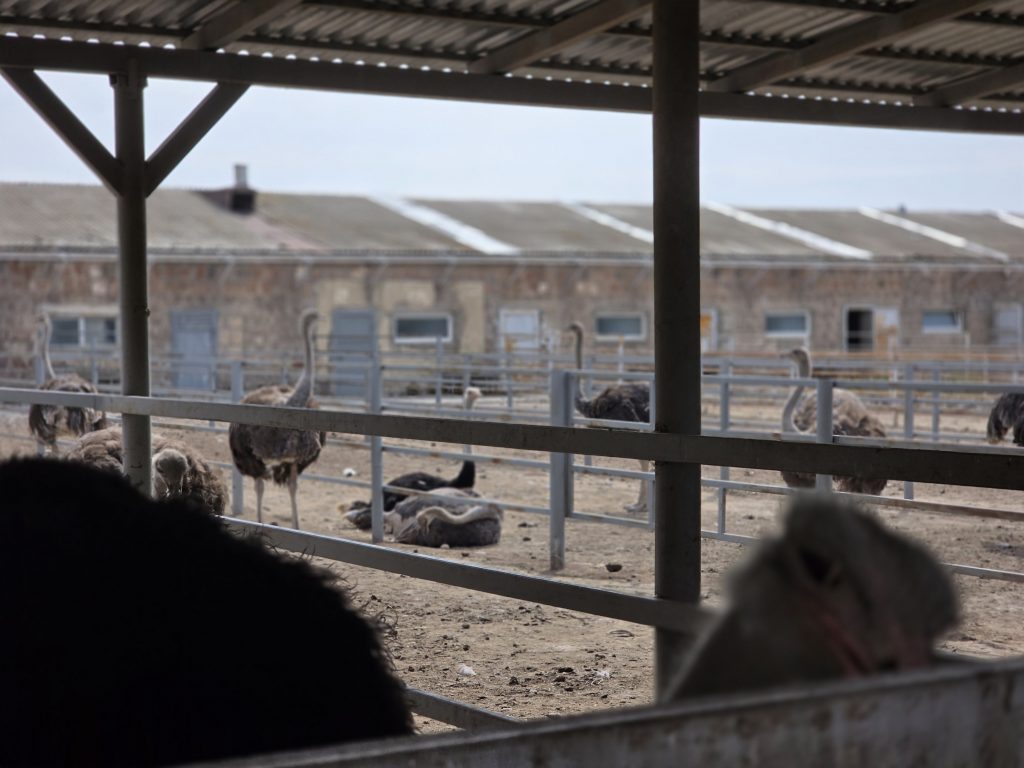
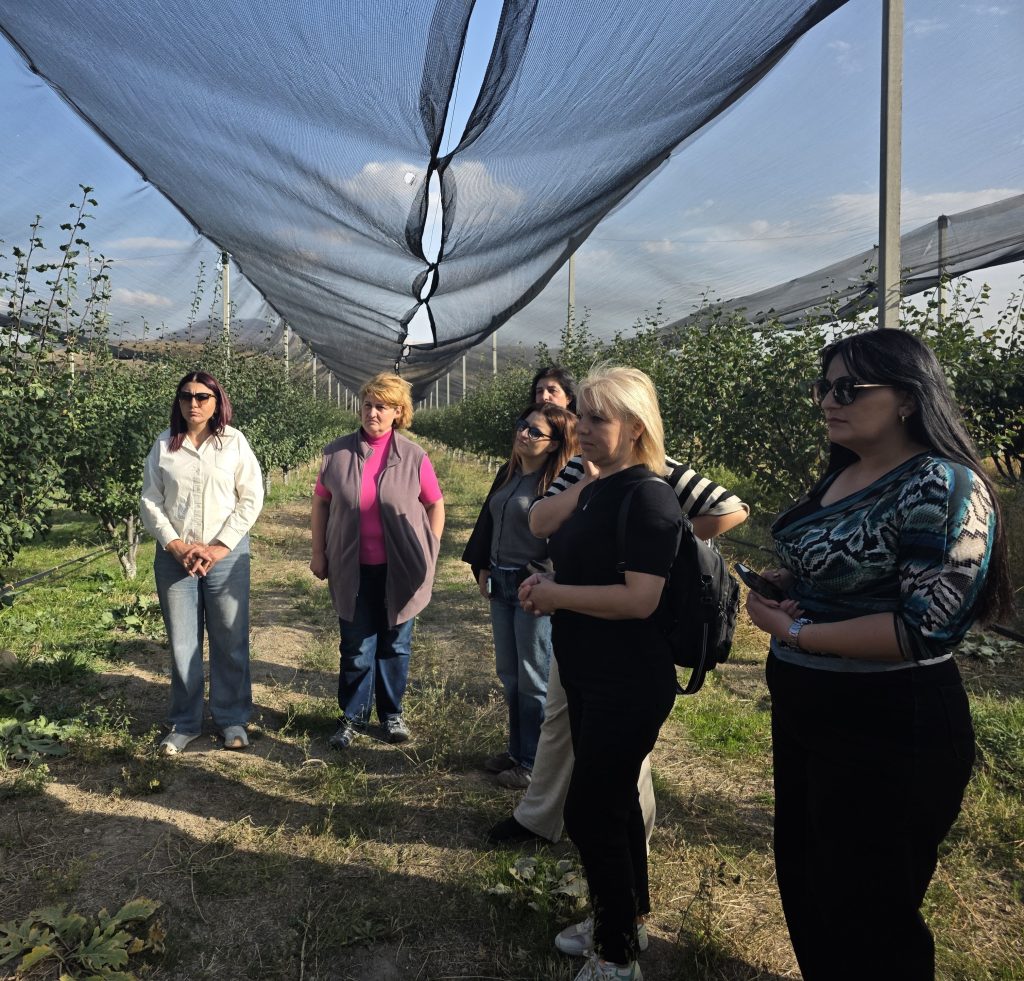
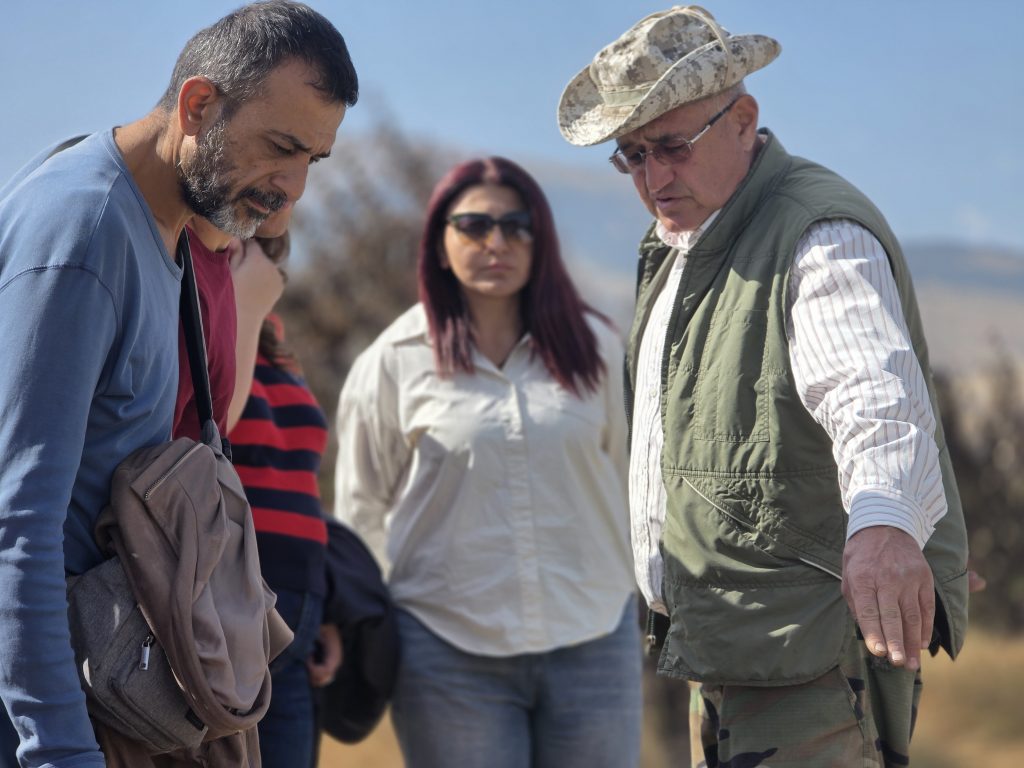
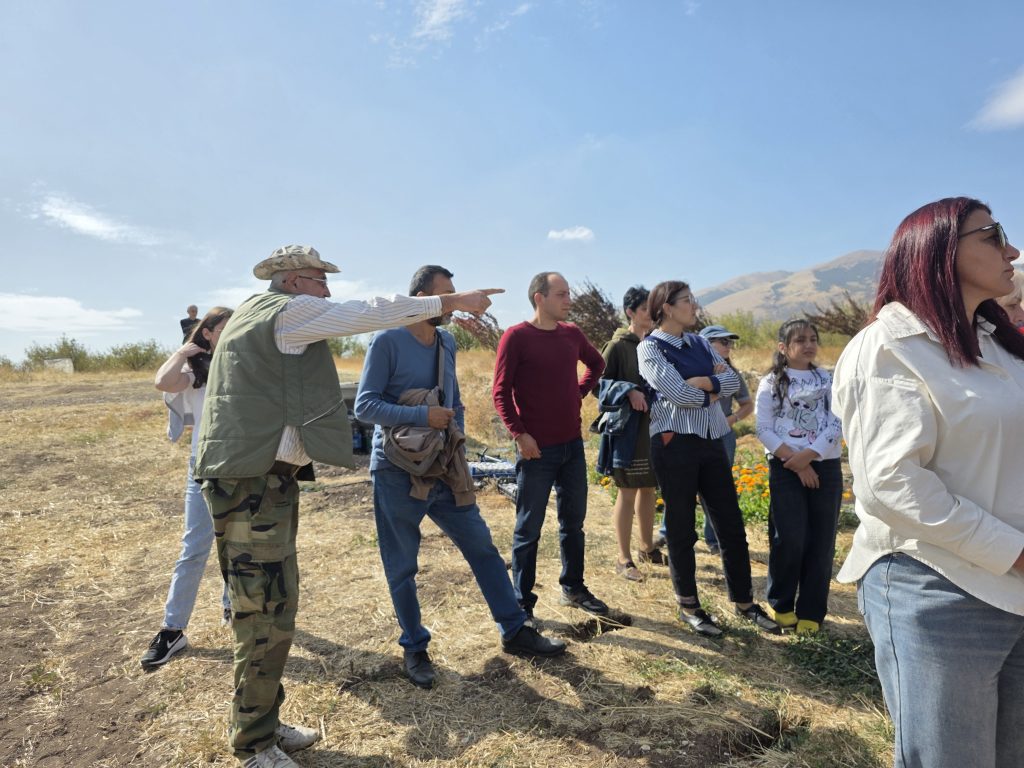
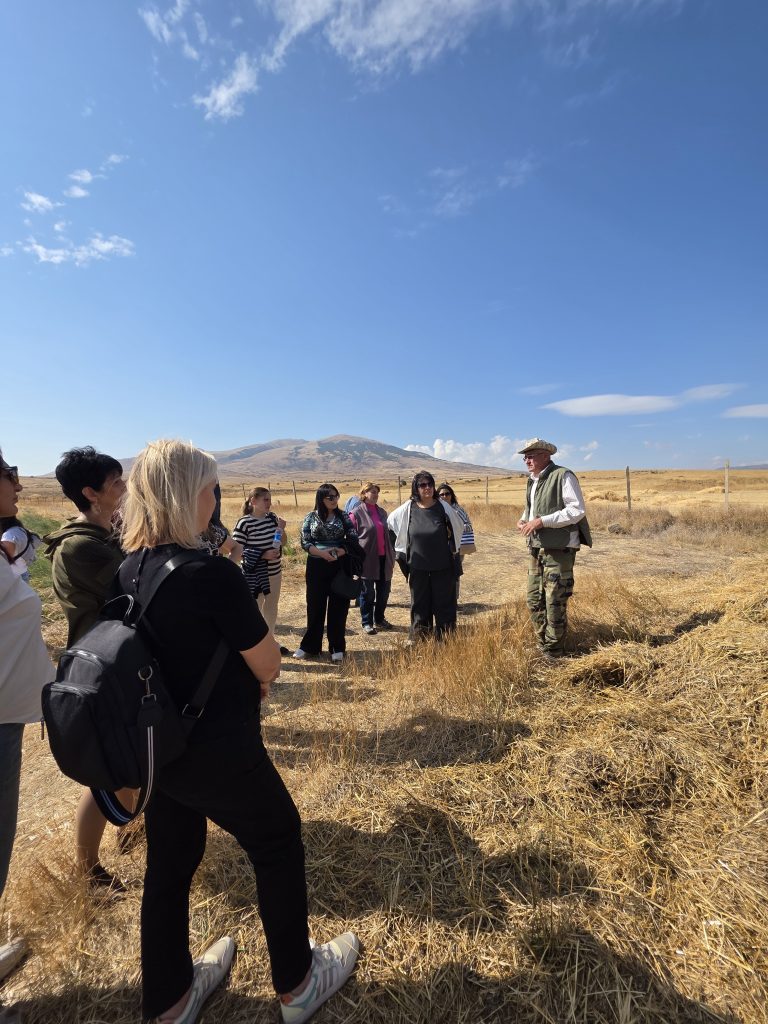
At ‘Arat Armenia’ in Agarak, they explored composting under different conditions, looking at parameters such as moisture, temperature and pH and how they affect the process. At the ‘Ostrich Garden’ in Yeghvard, they saw how materials that could otherwise become waste can find another use: ostrich feathers are turned into souvenirs and used as pillow filling, while manure serves as a soil supplement. At the family-run ‘Arayi Farm’ in Aragyugh, specialised in crop production and poultry rearing, participants learned how these activities can be combined with circular, low-waste practices, such as increasing soil fertility through compost or planting calendula to deter insects.
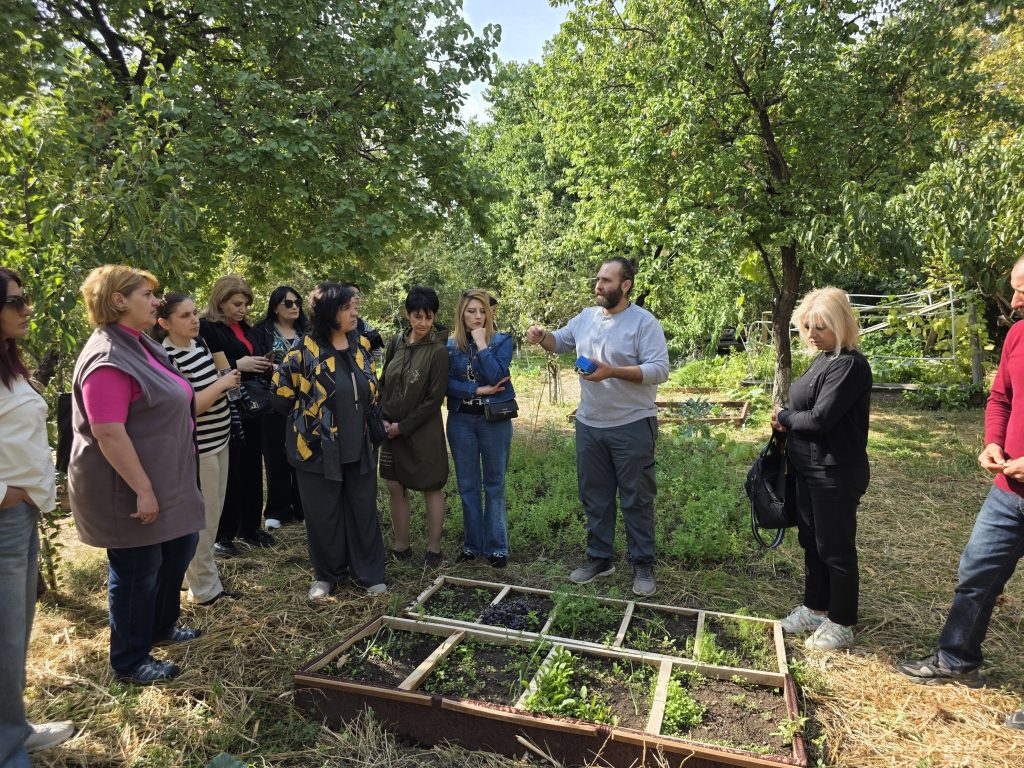
At ‘Bari Farm’, participants tried vermicomposting themselves, preparing a compostable mixture with worms.The farm also offered a broader example of how different resources can be kept in use. “We compost suitable organic residues instead of discarding them. We obtain oil from plum kernels for cosmetic products and use the remaining kernel shells as mulch beneath trees,” explains Gohar Movsisyan, who runs the farm with her family. “I wanted participants to see how circular practices work on a real organic farm so that they could share it with their students and communities.”
Putting waste to work
The real test came after the trainings and the visits: could these ideas live and work beyond the participants’ experience? Organic Armenia helped it happen by establishing 13 demonstration sites with composting bins at educational institutions and farms in Yerevan and the regions of Kotayk, Gegharkunik, Lori, Aragatsotn, Shirak and Ararat.
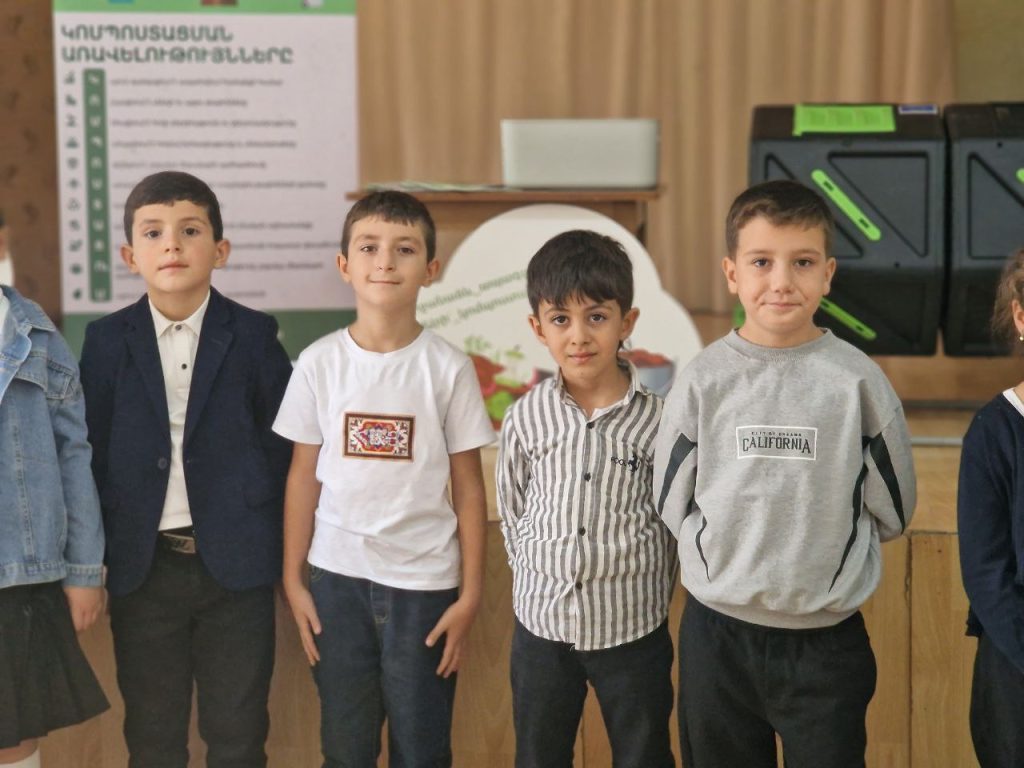
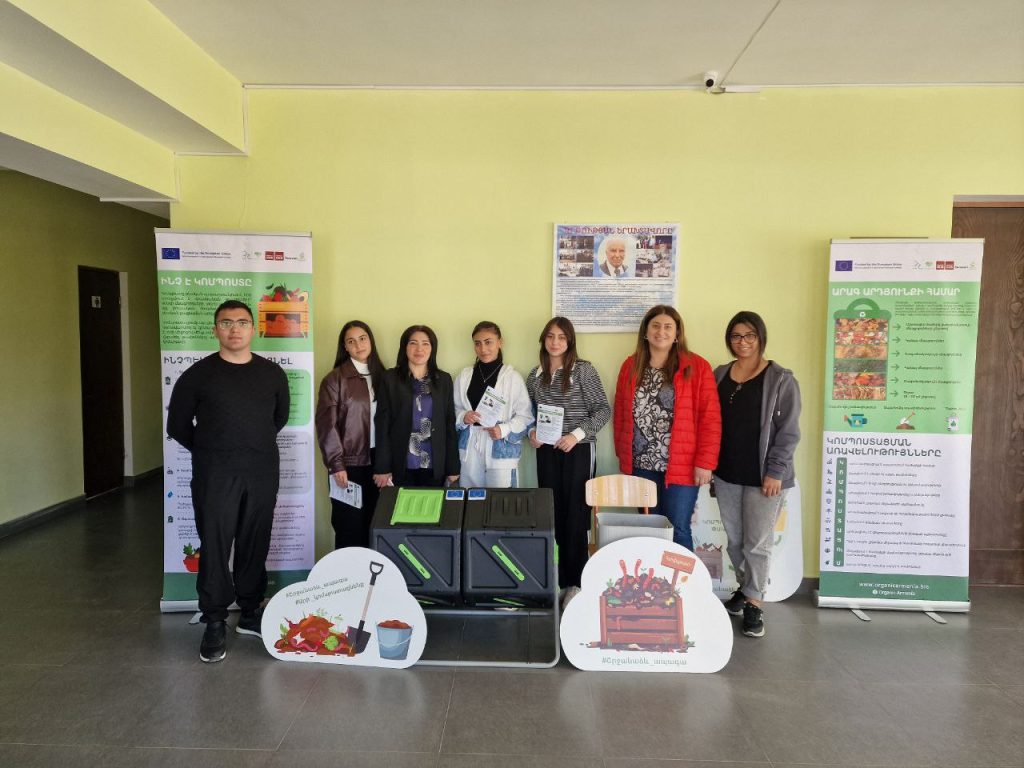
The bins turned composting into something people could watch and try rather than simply discuss. At School No. 116, the new bin became part of the EcoClub and MycoHub EduLab. The school also used the experience to introduce children from neighbouring schools and kindergartens to mushroom cultivation and zero-waste practices. At farms, the bins provided a way to demonstrate composting and vermicomposting and share these practices with visitors and other farmers.
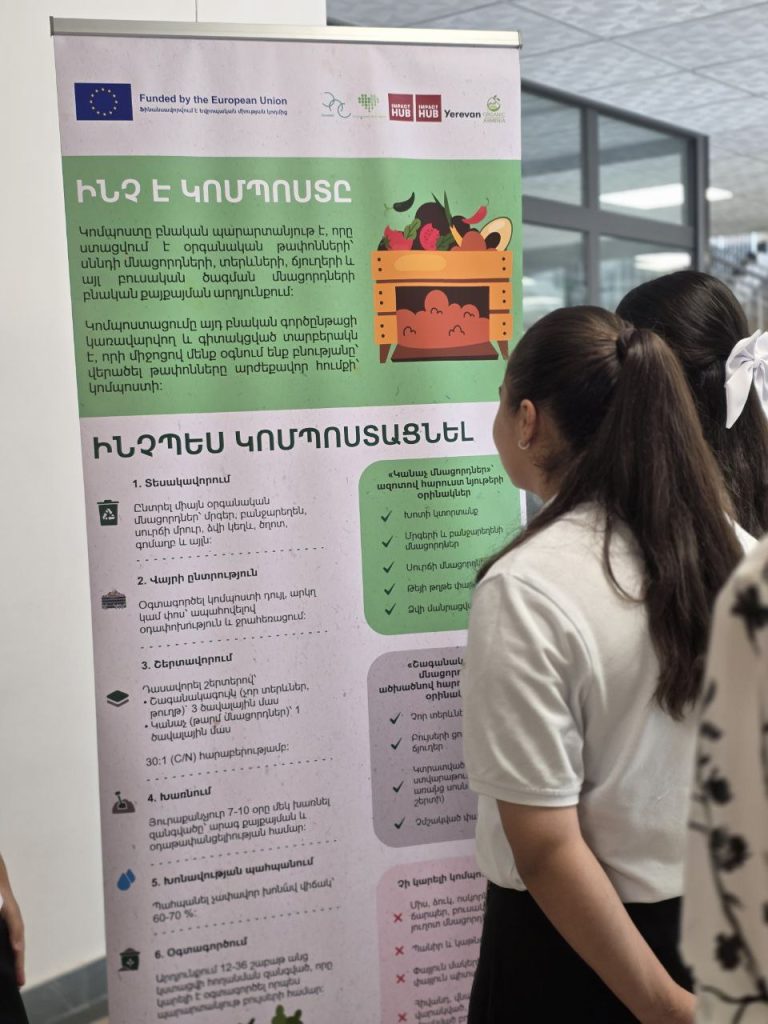
Four mobile school exhibitions complemented the demonstrations. Each stayed at a participating school for two weeks, showing students what compost is, how it is made and which materials can go into the bin. The exhibitions also traced the journey of food from production to organic waste and back to the soil, making the idea of a circular, closed-loop system easier to grasp.
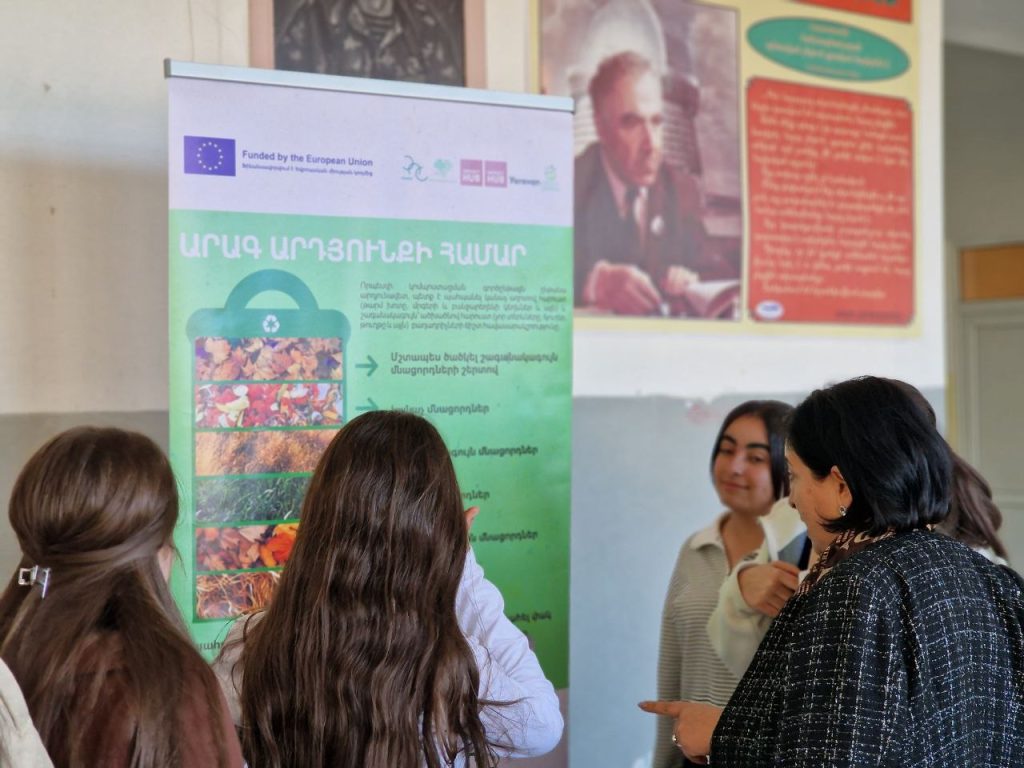
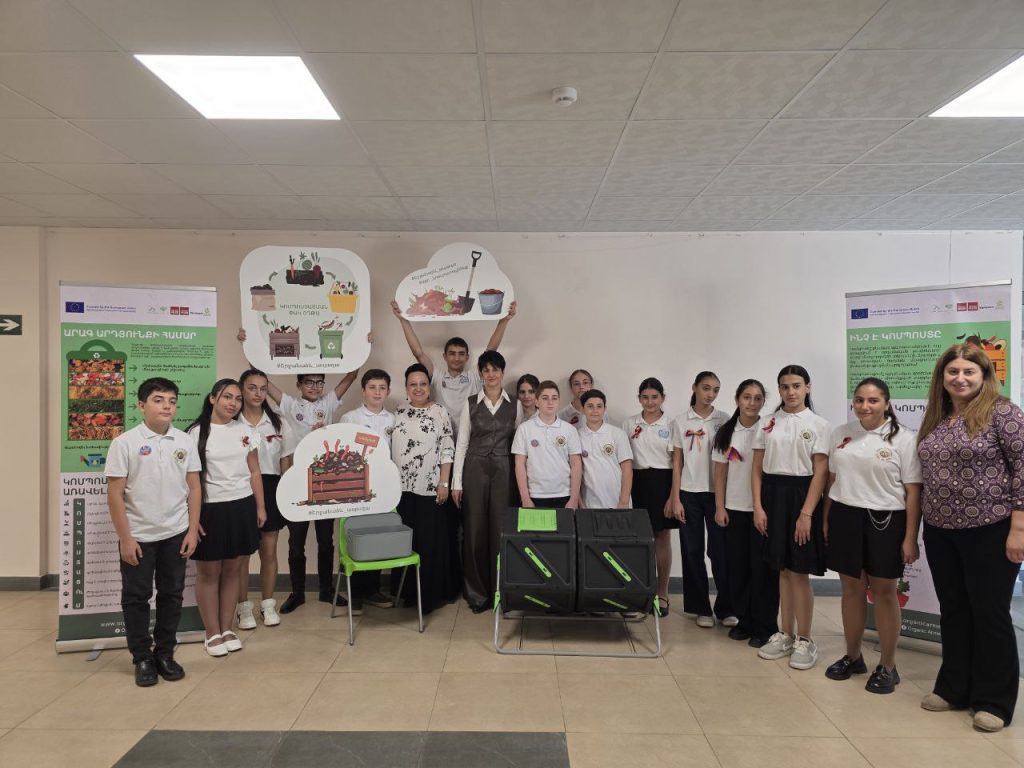
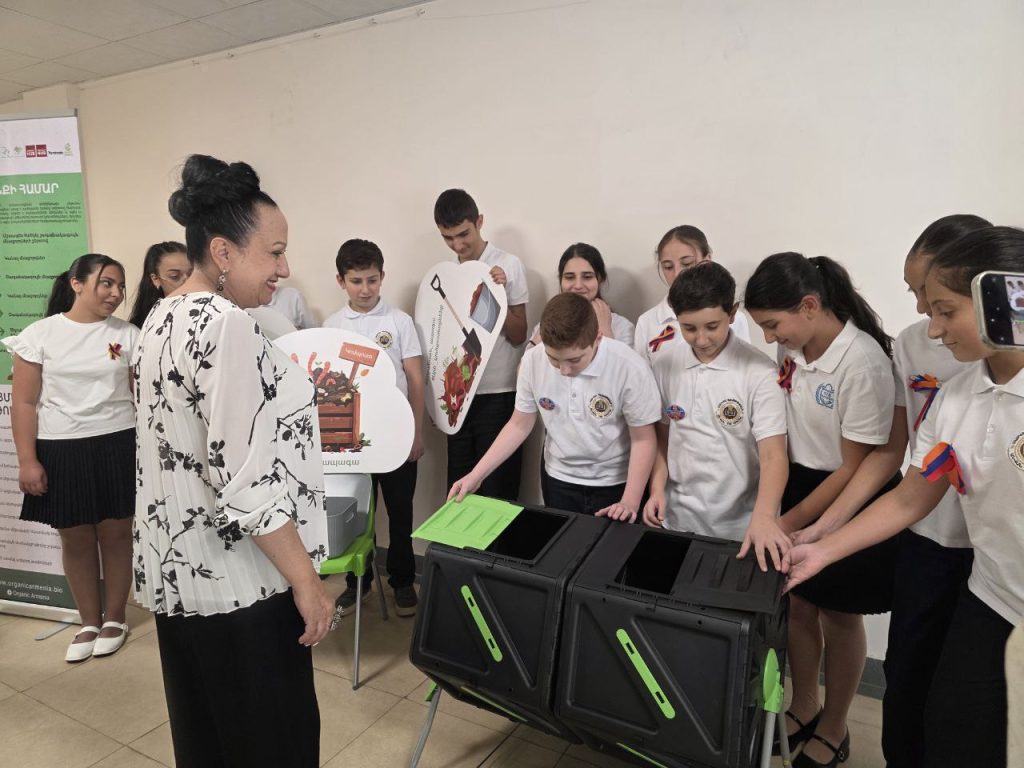
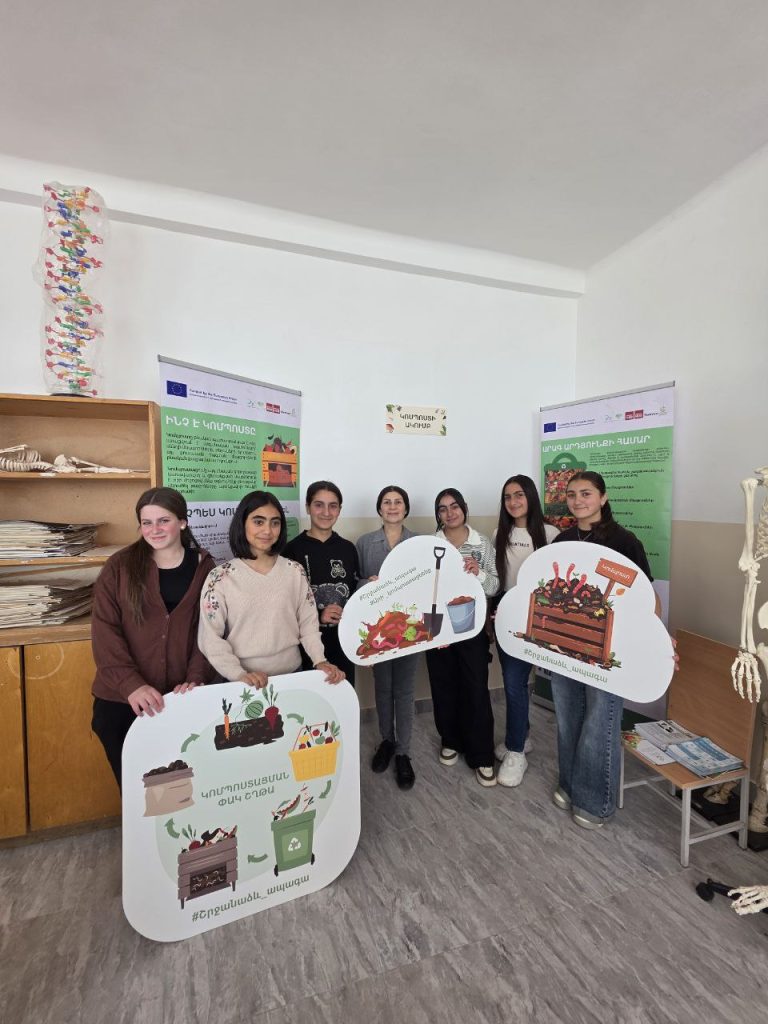
And that was the point when ideas started to swarm. Lusine Gyurjinyan brought the circular economy into the classroom with a seminar for eighth-grade students and teachers. In Gavar and Karmirgyugh, participants established two Compost Clubs to continue lessons and discussions. Other educators thought of student trips to organic farms and the ways to compost plant-based leftovers from school canteens.
The lesson of a compost bin does not end with what happens inside it. Its real value comes when someone takes the idea further – a teacher brings it to the classroom, a farmer shows it to other producers, or a student takes it home. That is where organisations such as Organic Armenia have a role to play. By creating opportunities to learn, try and exchange, they help circular economy approaches to reach new places, make environmental education more practical and support farmers in adopting more sustainable solutions.
Authors: Volha Prokharava, Kristine Hovhannisyan
The post A lesson from a compost bin appeared first on EU NEIGHBOURS east.


