Newsletter – Spring edition, 2026
EU Commissioner for Internal Affairs and Migration Magnus Brunner visited Armenia
12 March, 2026

The progress in Armenia’s visa liberalisation process with the EU was one of the main points of discussion during the Magnus Brunner’s visit to Armenia. He held a series of meetings and participated in several events, most notably the panel discussion “The Road to Visa Liberalisation: Strengthening EU–Armenia Cooperation in the Implementation of the Visa Liberalisation Action Plan,” in Yerevan on 12 March. The panel brought together representatives of the Government of Armenia, the European Union, international partners and civil society to discuss progress in Armenia’s visa liberalisation process with the EU.
Additional €135 million in support for energy resilience from the European Commission and the German Government
20 March, 2026
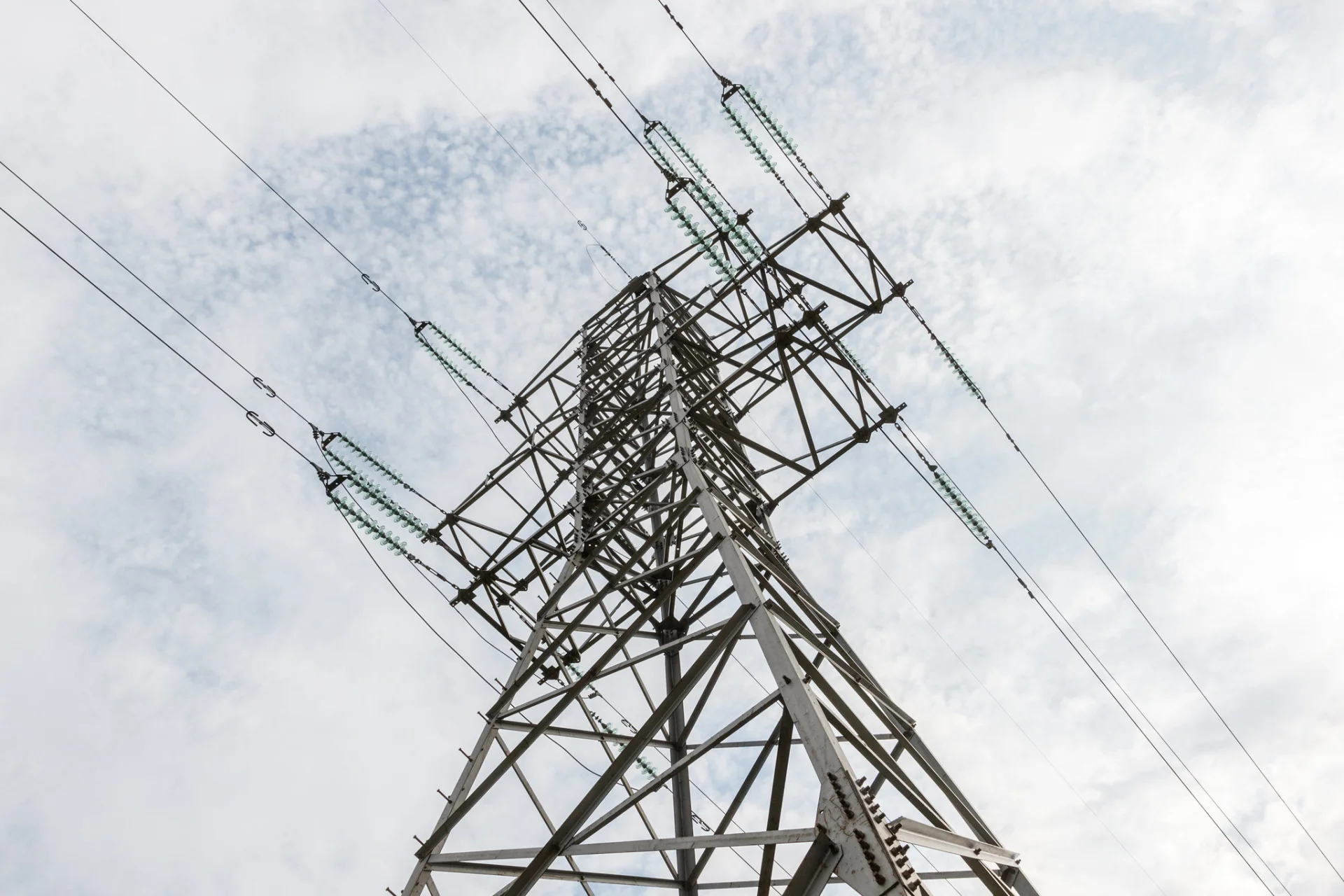
Armenia took an important step towards greater energy resilience with the signing of new financing agreements worth €135 million for the Caucasus Transmission Network project, in the presence of Armenian government officials, EU Commissioner Marta Kos, and German Ambassador Claudia Busch. The new package, including a €120 million KfW loan backed by the German government and a €15 million EU grant, builds on previous investments and brings total support for the project to €313.2 million, with additional co-financing from the European Investment Bank. By strengthening energy security, expanding renewable energy capacity, improving regional electricity connectivity, and paving the way for future integration with the European energy grid, the project represents a major investment in Armenia’s sustainable energy future.
For more informationn please visit: https://shorturl.at/acV3G
Commissioner for Enlargement Marta Kos visited Armenia to reinforce the EU–Armenia partnership
19 March, 2026

During her visit to Armenia, Marta Kos met with Armenian leaders and communities to advance the EU–Armenia partnership and highlight the tangible impact of EU support. In Yerevan, she met with Prime Minister Nikol Pashinyan and Deputy Prime Minister Mher Grigoryan to discuss preparations for the upcoming EU–Armenia Summit, further strengthen cooperation under the EU Connectivity Agenda, and take stock of progress under the EU’s €270 million Resilience and Growth Plan for Armenia, alongside wider efforts to support regional and democratic resilience. She also discussed areas of bilateral cooperation with Minister of Internal Affairs Arpine Sargsyan. In Gyumri, Marta Kos saw first-hand how EU-funded initiatives are contributing to local economic development, creating opportunities for jobs and skills development, supporting young people, and preserving cultural heritage. Her visit concluded with a speech at Shirak State University, where she highlighted the importance of investing in Armenia’s people and future.
The first-ever EU–Armenia Summit took place in Yerevan
5 May, 2026

The first-ever EU–Armenia Summit took place in Yerevan, on 5 May, marking a defining moment in EU–Armenia relations and setting a forward-looking agenda for the years ahead. The Summit underscored the shared commitment to deepen political and economic ties and to work towards a more secure, prosperous, and stable future for Armenia.
The EU and Armenia signed a connectivity partnership
5 May, 2026

The European Union and Armenia held their first-ever Summit in Yerevan, marking a major milestone in bilateral relations and reinforcing cooperation in connectivity, security and defence, economic development, and people-to-people contacts. The Summit included the signing of the EU–Armenia Connectivity Partnership, the launch of a Call for Expressions of Interest for strategic investments, and the presentation of the first progress report on Armenia’s visa liberalisation action plan. Leaders also welcomed the initiation of cooperation between Frontex and Armenia’s Ministry of Internal Affairs, the establishment of an EU Partnership Mission in Armenia, and the delivery of the first €30 million in assistance under the European Peace Facility.
For more information please visit: https://shorturl.at/GLemb
The EU LEAD4Shirak Leaves a Lasting Impact on Shirak’s Communities
25 March, 2026

After five years of supporting communities across Shirak, the EU LEAD4Shirak project was concluded, leaving behind stronger local partnerships, empowered citizens, and a sustainable model for bottom-up development. Through support to 48 businesses and 84 community initiatives, the project helped create 117 new jobs, engage thousands of residents, and strengthen the capacity of rural communities to drive their own development.
The European Union disbursed €8.55 million to support education reforms in Armenia
30 April, 2026

Following an assessment of progress under the “EU Support to Education in Armenia” programme, the European Union disbursed €8.55 million to support ongoing education reforms in Armenia. The programme is helping modernise the education system, strengthen school leadership, improve learning environments, and expand opportunities for students and teachers across the country. Achievements to date include the rehabilitation of 13 schools in Syunik, the introduction of a new school management system adopted by around 50% of schools, the appointment of 346 principals through competitive selection, the rollout of STEM laboratories in 231 schools, nationwide training for around 9,000 teachers, and the introduction of career guidance services and modernised curricula across the country. Together, these efforts are contributing to a more modern, inclusive, and future-oriented education system in Armenia.
For more info please visit: shorturl.at/Db0Np
The new National Erasmus+ Office of Armenia was inaugurated
7 April, 2026

The new National Erasmus+ Office (NEO) of Armenia was inaugurated in Yerevan. The NEO supports the national implementation of the Erasmus+, the EU’s flagship programme for education, training, youth and sport. EU Ambassador Vassilis Maragos highlighted the importance of long-term EU–Armenia cooperation in education aligned with national priorities. He also welcomed the establishment of the NEO as a trusted national reference point for Erasmus+ opportunities, aimed at raising public awareness and supporting applicants.
With EU support, Armenia strengthened its climate action efforts through the launch of a new Greenhouse Gas Emissions Registry and MRV platform
14 May, 2026

Climate action is ultimately about protecting communities, supporting a healthier environment, and building a more resilient future. With EU support, Armenia has taken an important step in strengthening its ability to respond to climate challenges through the launch of a new Greenhouse Gas Emissions Registry and an MRV (Measurement, Reporting and Verification) platform. These tools will improve emissions tracking and reporting, helping policymakers design more effective climate measures that can benefit people, communities, and the economy. Launched by the Ministry of Environment on 14 May, the initiative supports Armenia’s commitments under the Paris Agreement and its NDC 3.0 targets, including the goal of reducing greenhouse gas emissions by 44% by 2035. Implemented under the EU4ClimateResilience framework in cooperation with international partners, the initiative supports Armenia’s transition towards a greener, more resilient future.
Europe Day 2026: EU-Armenia. closer than ever
07–27 May 2026
Throughout May 2026, the European Union celebrated Europe Day across Armenia through a diverse programme of public events, cultural activities, policy discussions, educational initiatives, film screenings, and regional outreach, highlighting the strong and growing partnership between the European Union and Armenia.
The celebrations began on 7 May with the Policy Forum on Culture in Yerevan, bringing together stakeholders to discuss cultural cooperation and the role of culture in strengthening EU – Armenia relations.

The public celebration took place on 10 May at Freedom Square in Yerevan, where the Europe Day Info Fair welcomed thousands of visitors. The event brought together EU-funded projects, EU Member States Embassies, European institutions, and partner organisations, offering citizens the opportunity to learn more about EU support in Armenia through interactive activities, exhibitions, games, information stands, and cultural performances.


Europe Day celebrations extended well beyond the capital. Activities took place across several cities of Armenia, including Gavar, Dilijan, Alaverdi, Oshakan, Goris, and Gyumri. The programme included university lectures, youth forums, EuroClub activities, cultural heritage visits, community engagement events, and public discussions, providing opportunities for citizens of different ages to engage with European values, programmes, and opportunities.
A special highlight of the regional programme was the Europe Day concert held in Alaverdi on 14 May, bringing together local communities through music and culture.
The cultural programme featured performances by the Greek Community Choir of Alaverdi and the “Lazur” Folk Instruments Ensemble, presenting a diverse repertoire of traditional and contemporary musical works. The performances reflected the cultural richness of the region and provided an opportunity to celebrate the diversity that characterizes both Armenia and Europe.

The celebrations continued on 16 May with a large open-air concert in Gyumri, attracting thousands of visitors and creating a vibrant atmosphere of cultural exchange and European solidarity.
A distinctive feature of the concert was the participation of artists who have represented Armenia at the Eurovision Song Contest in different years. The performances by Aram MP3, Srbuk, and PARG added a special dimension to the programme, attracting significant public interest and contributing to the high level of audience engagement throughout the event.


The European Film Festival, held from 15 to 27 May, formed an important part of the month-long Europe Day programme. Through screenings and cultural events organised in Yerevan, Gavar, Oshakan, Goris, and Gyumri, audiences had the opportunity to discover contemporary European cinema and engage in intercultural dialogue.


Throughout the month, Europe Day 2026 provided a platform for dialogue, learning, cultural exchange, and public engagement, reaching diverse audiences across Armenia. By combining policy discussions, educational opportunities, cultural experiences, and community events, the celebrations highlighted the tangible results of EU – Armenia cooperation and reinforced the shared commitment to a stronger partnership between the European Union and Armenia.
For more information visit: https://eu4armenia.eu/europe-day-2026/