Do young Armenians have a role in local decision-making? Absolutely!

“During the council meetings, we raised the issue of youth employment, youth voting rights and decision-making opportunities in the community,” says Taguhi Tadevosyan, a young resident of the Gavar community in Armenia’s Gegharkunik region. Here, until recently, young people like her rarely took part in public discussions, municipal initiatives or community programmes, often held back by distance and the feeling that change in their community was impossible. Through EU support, the local Social Dialogue NGO set out to change this reality, giving young people the chance to learn how local governance works and to turn their own ideas into community initiatives.
Situated high in the Gegham mountains, the enlarged Gavar community today unites 12 settlements across Gegharkunik. Before Armenia’s municipal enlargement reform, each village had its own small administration, usually operating with limited budgets and modest resources. While the reform aimed to make local administration more efficient and centralised, for many young people in surrounding villages it also increased the sense of distance from decision-making, now concentrated in the municipal centre and often perceived as disconnected from everyday life.
In 2025, the Social Dialogue NGO, with support of the EU and the Konrad Adenauer Foundation, made an ambitious attempt to bridge the gap between local authorities and young citizens of the community. “Though our municipality often tries to involve young people, its activities is often driven by institutional priorities,” explains Ani Saribekyan, project manager. “NGOs, on the other hand, are more flexible, creative and community-focused in designing initiatives with youth participation.”

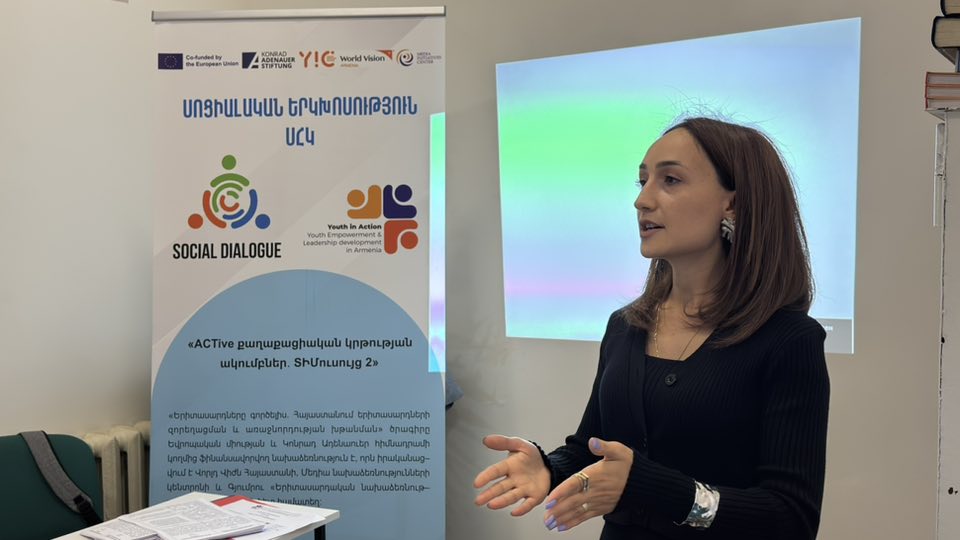
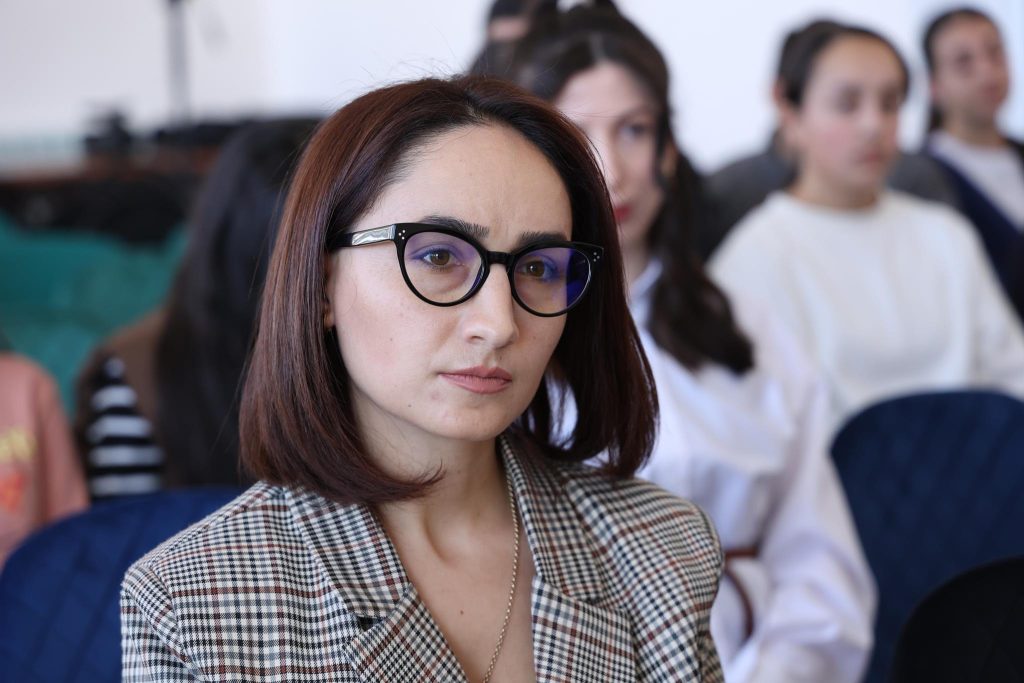
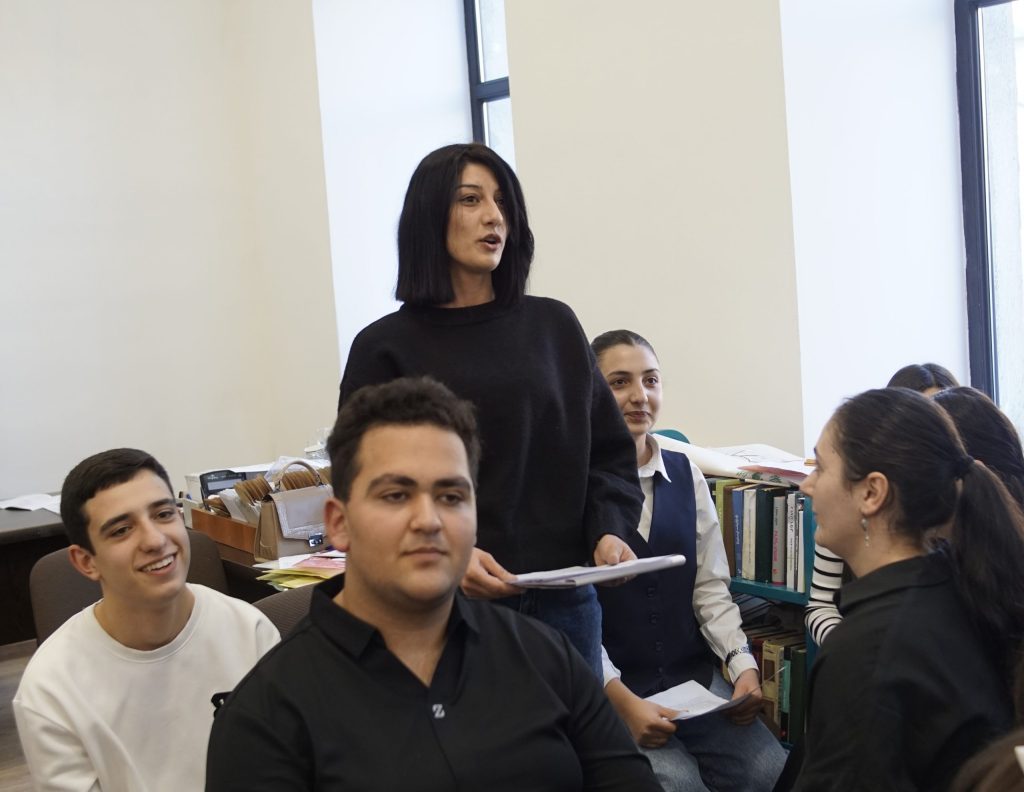
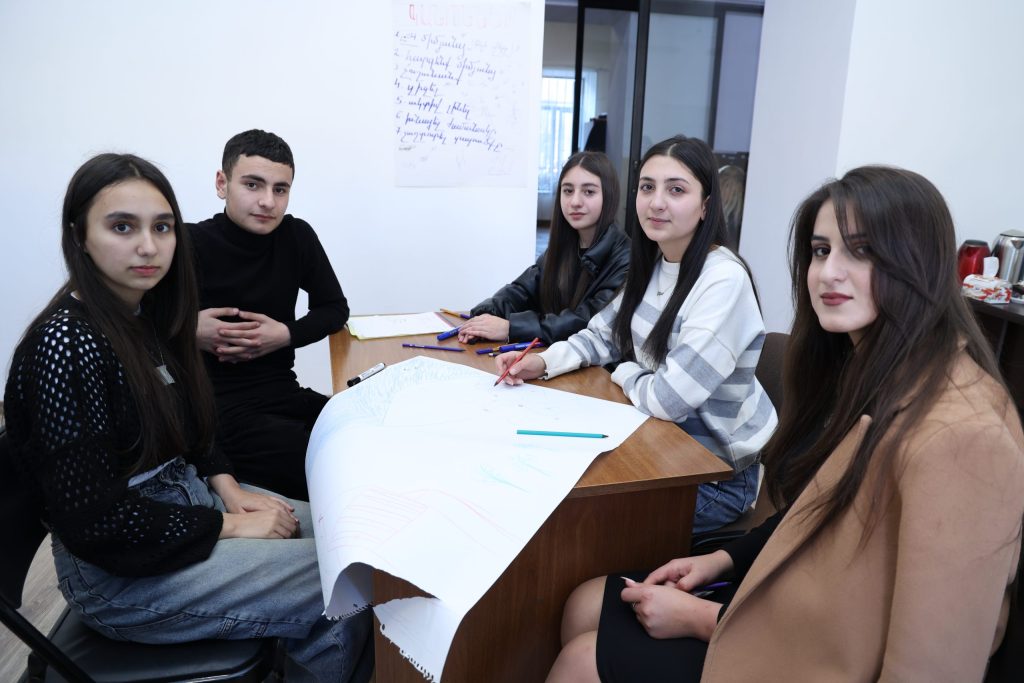
The Social Dialogue NGO took a hands-on approach. Fifty young people aged 16-30 from nearby settlements – most with no prior civic experience – learned how local authorities actually function. They explored how decisions are made and community budgets decided and spent; they examined the role and authority of the community leader, the responsibilities of heads of administrative districts, the functions of the Council of Elders and the rights and duties of residents within the community. The experience culminated in a meeting with Grigor Dashtoyan, the First Deputy Head of Gavar Community, who answered questions and listened to the young peoples’ suggestions.
Marietta Davtyan, 21, from Noratus village, studies economy at Gavar State University. “The community budget was particularly interesting to me,” she says. “I learned how it is prepared, how financial resources are distributed between different programmes, how priorities are set. It helped me better analyse community finances and think how resources can be distributed more efficiently.”
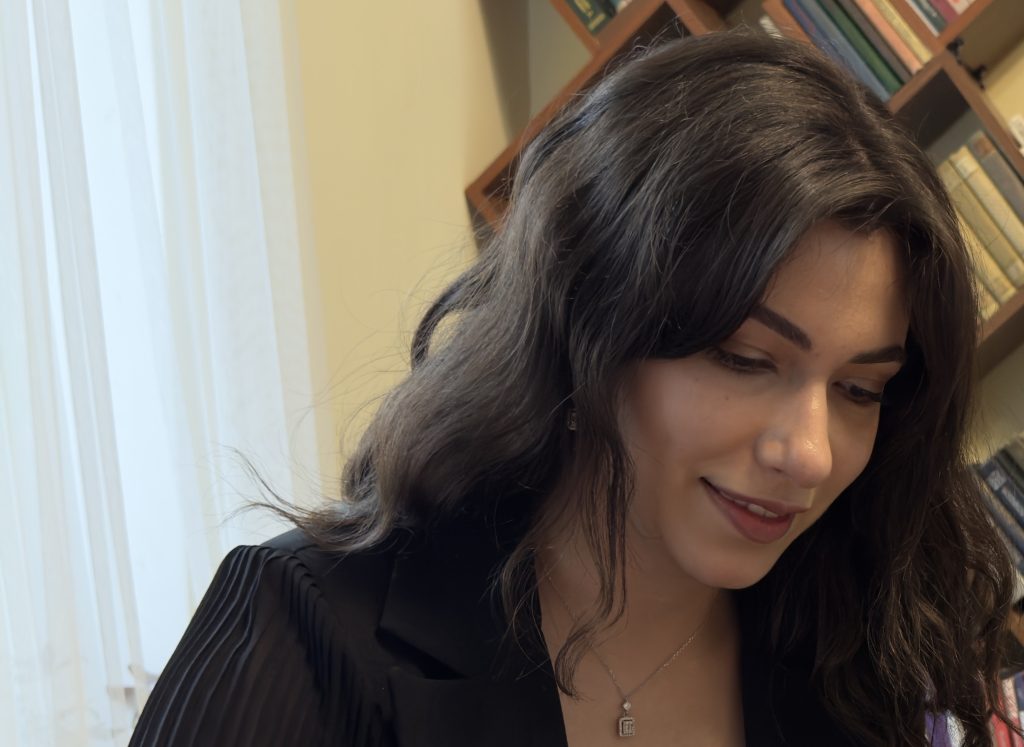
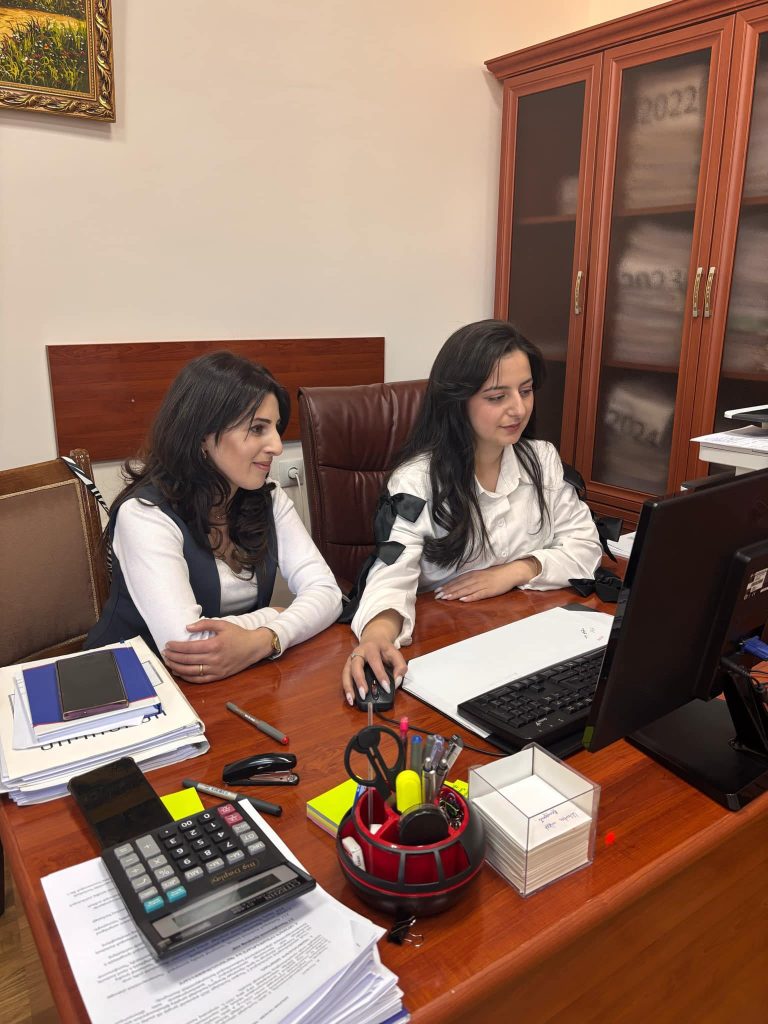
This knowledge was further put into practice. Twelve most motivated participants were invited into the day-to-day work of the Gavar municipality, where they could experience how local government operates from the inside.
Inside the municipality: from observers to active contributors
For ten days, the interns shared daily responsibilities with municipal staff, attended council sessions, raised questions and presented concrete suggestions – for example, rendering information about the community budget and expenditures in a more accessible way through diagrams and infographics, or selection of landscaping areas, community cultural life and improvement of roads to tourist attractions.
“The experience of being a community official was a valuable opportunity for me,” says Taguhi Tadevosyan, an intern. “We were able to express ourselves correctly and fully and have a certain role in our community. It also greatly impacted my professional development.”
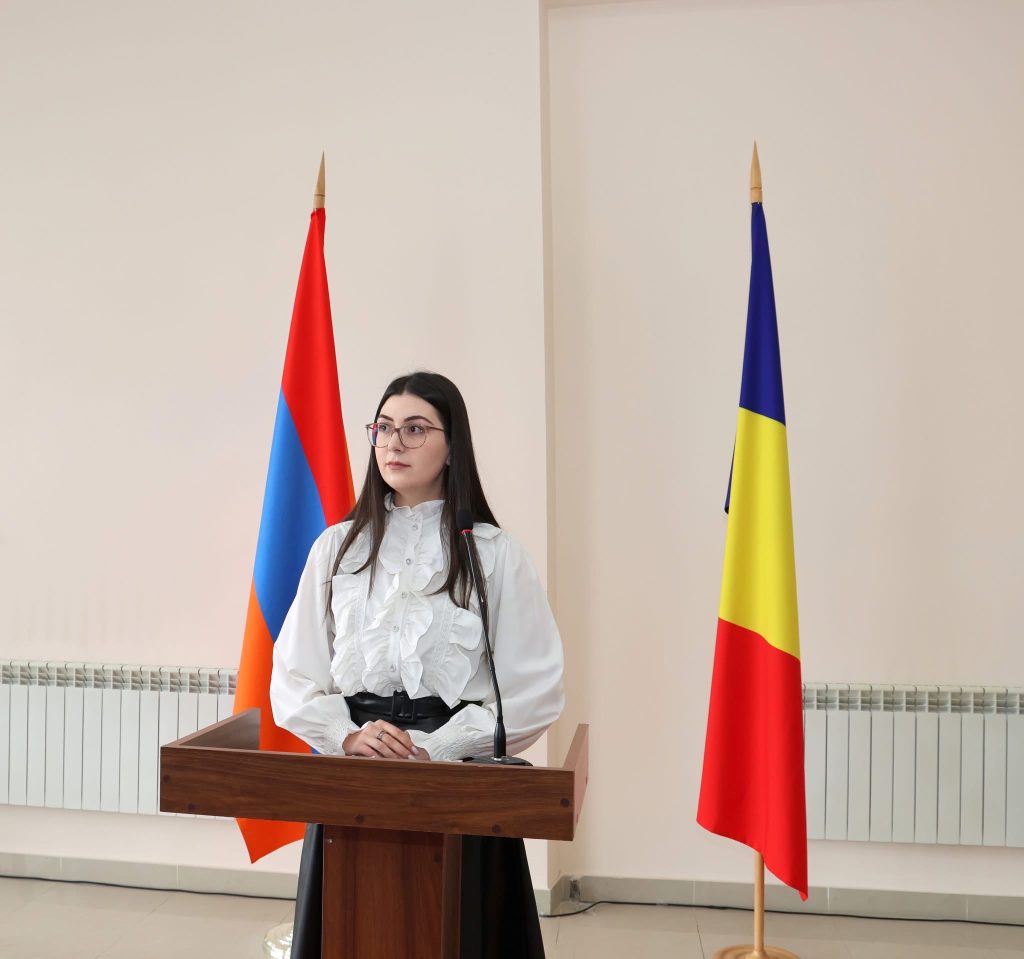
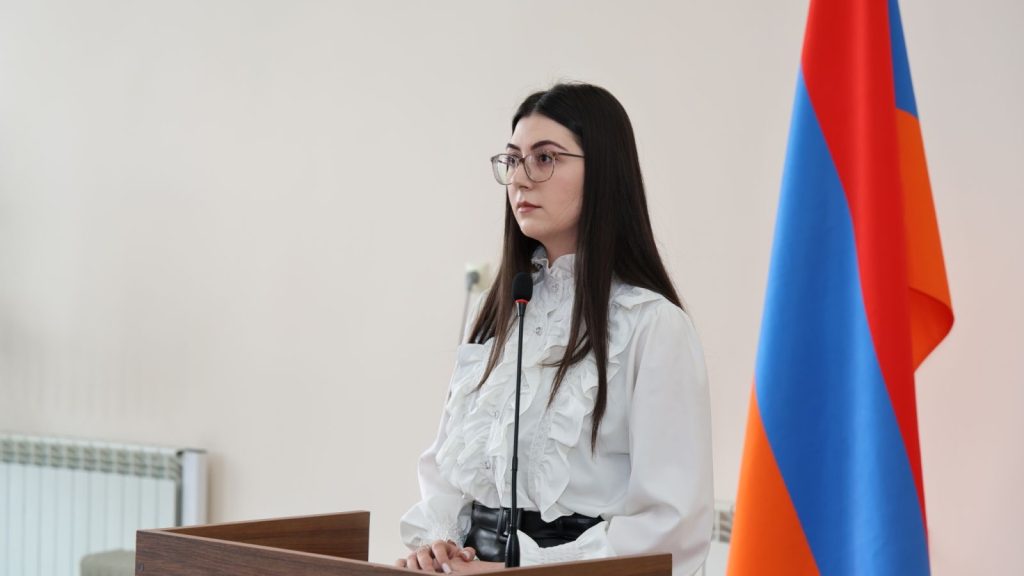
Municipal employees also played an active role in the process, involving young people in document circulation, organisational and analytical work and sharing practical experience. “Young people bring new ideas and fresh approaches to community governance, while their participation helps shape a new generation of responsible citizens and future local leaders,” says Hripsime Zangizoryan, Assistant to the Head of Gavar Community.
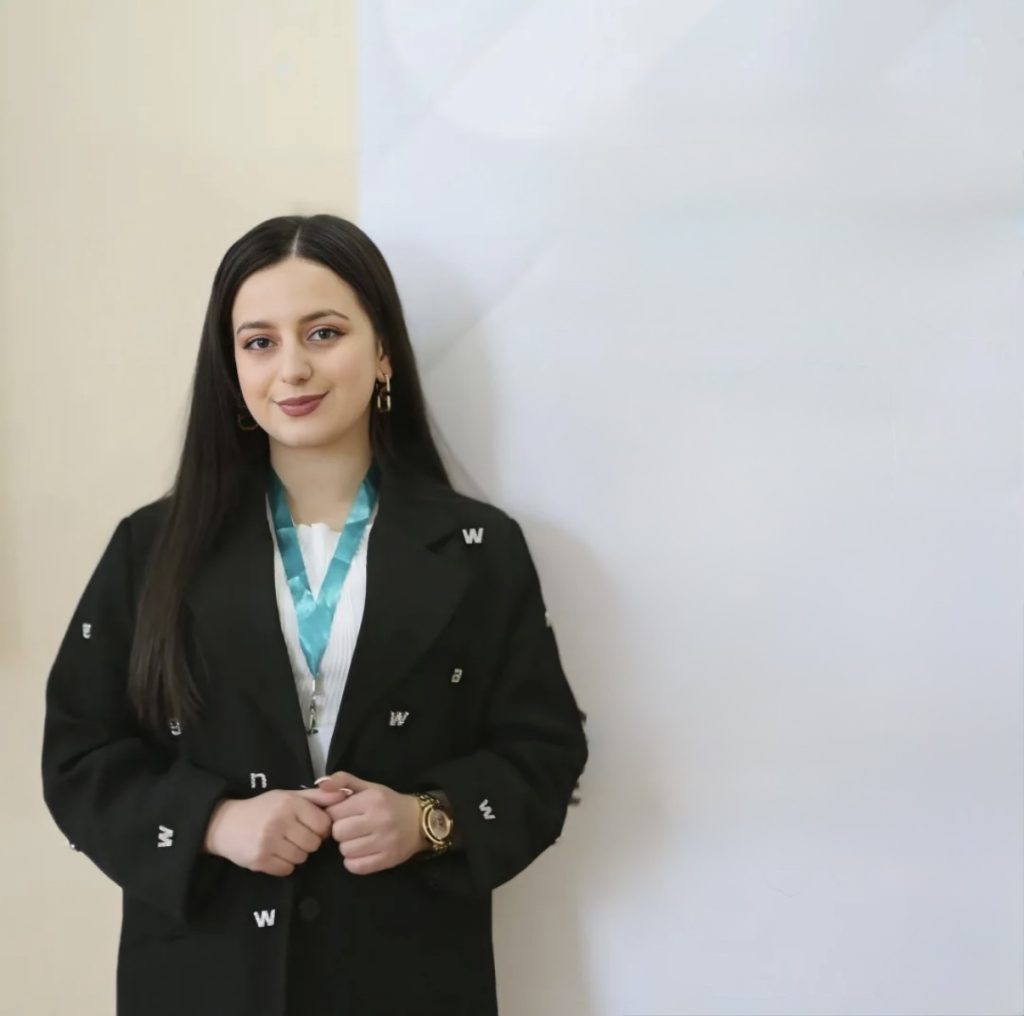
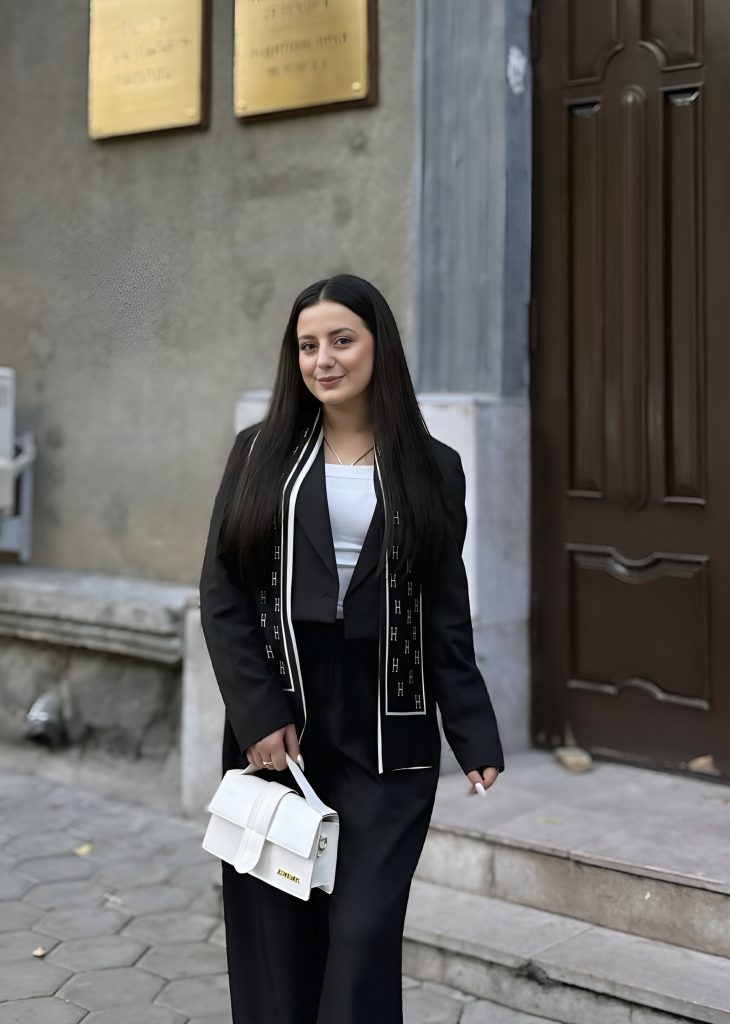
Even after the internship ended, many of the young people remained involved in municipal work. Some continue to take part in municipal functions and events, while others joined a monitoring group within Gavar’s participatory budgeting process, contributing to transparency and accountability. For Taguhi Tadevosyan, the experience continued through volunteering in the municipality’s procurement department. Then came a bolder move. She launched her own local development training centre – tangible proof of how the NGO’s work can help young people move from being passive observers to active contributors in their communities.
Youth that transforms the community
The work moved beyond municipal offices into the community. The Social Dialogue NGO organised a public competition where 50 young people presented ideas on community development. Their initiatives were evaluated by a jury made up of municipal employees and NGO representatives, while community residents had a say through online voting on social media. Three winners received financial support for the implementation of their initiatives.
One of them was Marietta Davtyan’s ‘Readers’ Corner’ in the Noratus library. The once-empty space was transformed into a welcoming cultural corner with bookshelves, sofas, tables, chairs and new books – fully designed and implemented by young people. “The initiative not only transformed the library space but also demonstrated that youth can bring real change to their community,” she Marietta.
Change is possible
The impact of the NGO’s activities became visible in other important ways. Young people produced informational videos about local self-government, participatory budgeting and civic rights, which were distributed on social media and aired on local television. As they shared their experience with peers, participation gradually expanded far beyond the original 50 young people.
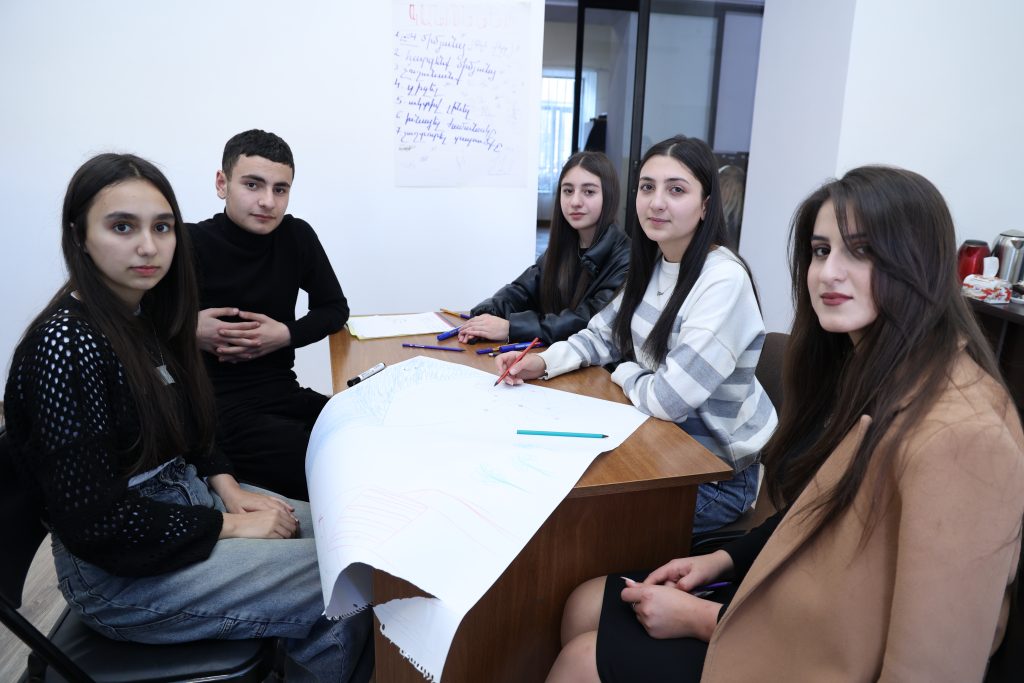

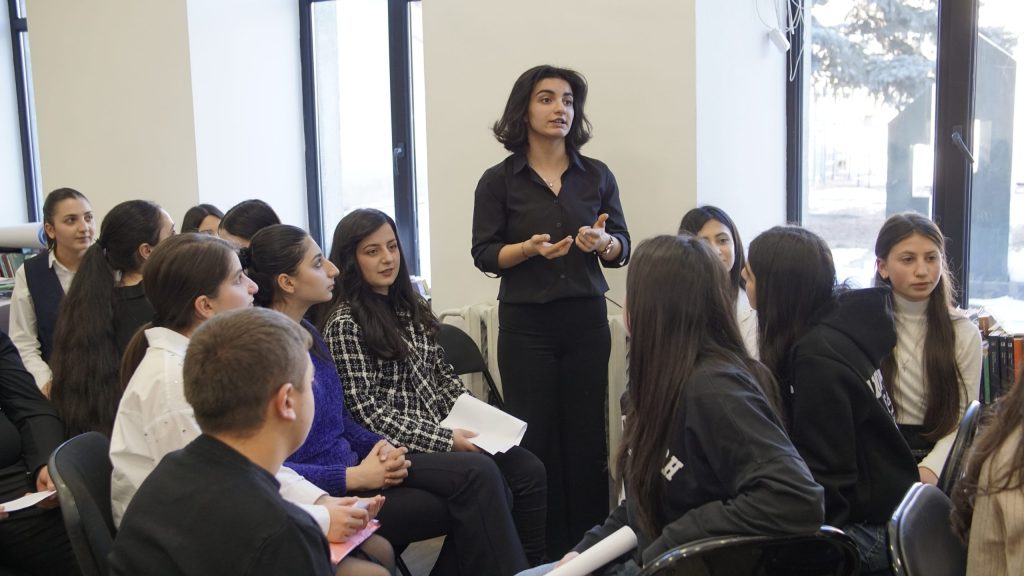
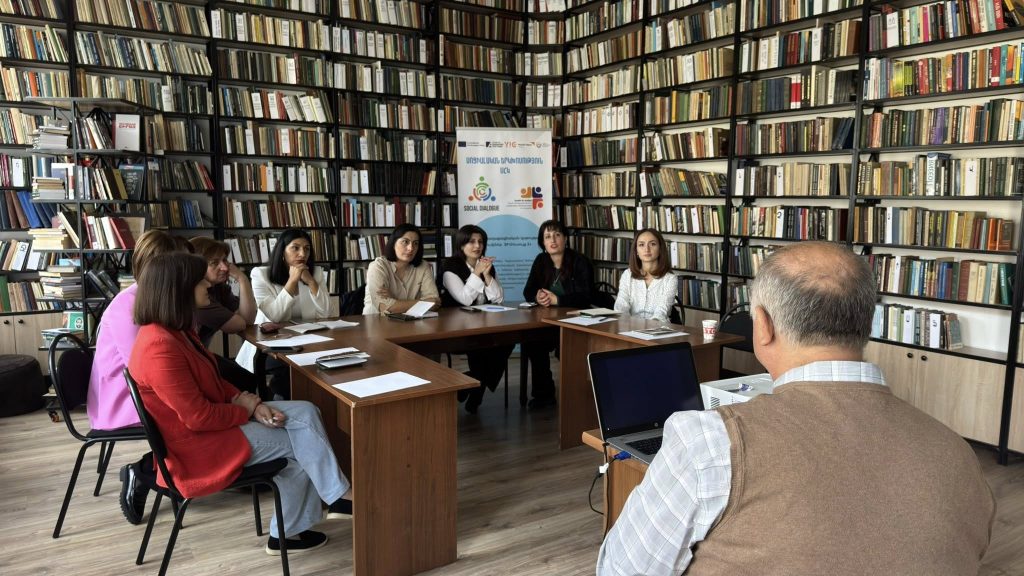
“Building on this experience, we continued with the ‘Active Civic Education Clubs’ in four partner schools,” says project coordinator Lena Goharyan. “The aim is to develop young people’s skills – leadership, communication, resource mobilisation, teamwork, critical thinking – and to continue cooperation with local authorities.”
As Armenia approaches the 2026 Parliamentary election, the story from Gavar reminds us that democracy does not begin on election day alone. It begins much earlier – when young citizens first discover that their voice matters, their participation can lead to change, and their community is stronger when they choose to be part of it.
The post Do young Armenians have a role in local decision-making? Absolutely! appeared first on EU NEIGHBOURS east.


